.svg)


Guía de Financiamiento de Implantes Dentales: Soluciones Seguras y Asequibles
2 de septiembre de 2025

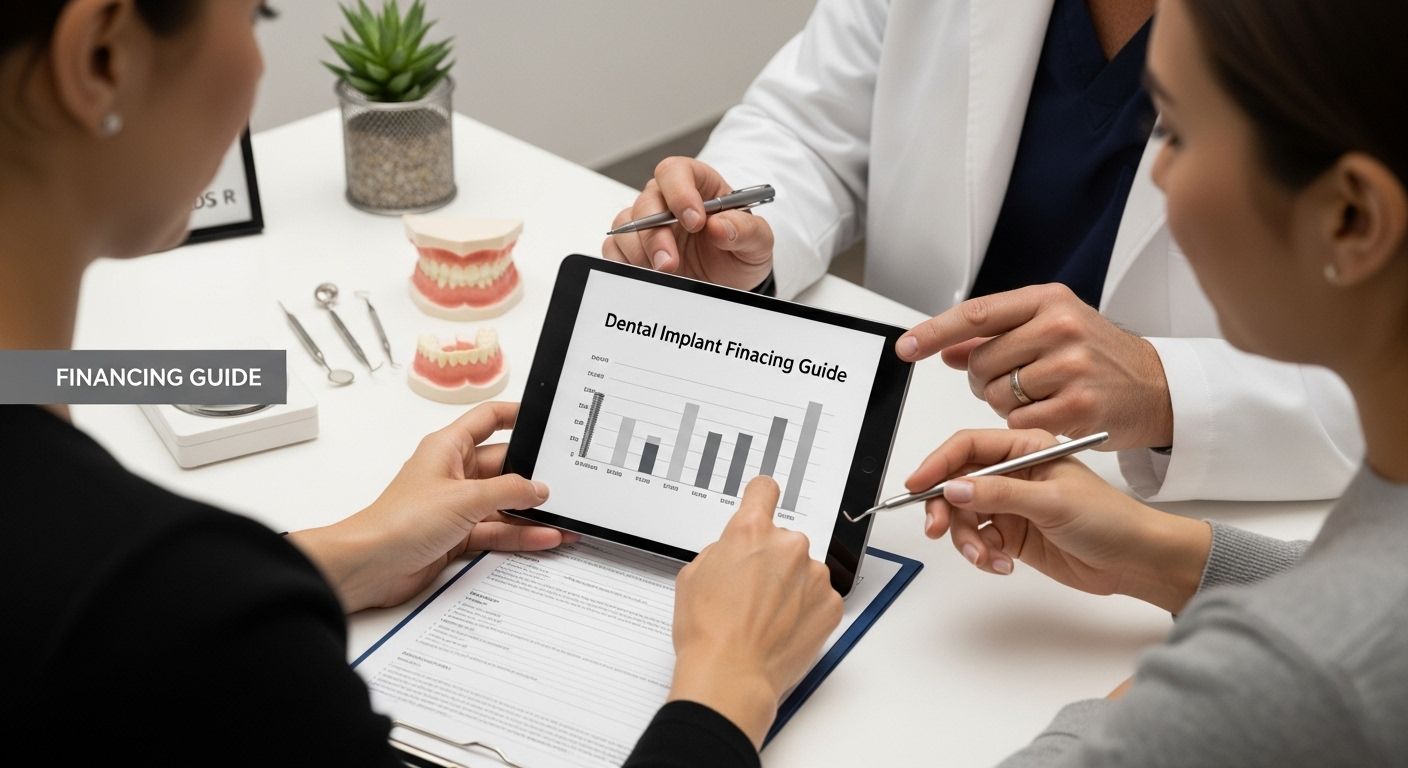
Los costos de implantes dentales en Denver pueden llegar a entre $3,000 y $6,000 por diente. Ese número por sí solo suena desalentador, ¿verdad? Sin embargo, la mayoría de las personas se sorprenden al saber que el financiamiento dental no se trata solo de barajar efectivo o encontrar una ganga. Se trata de elaborar un plan que proteja su salud financiera a largo plazo y convierta una nueva sonrisa en una inversión inteligente.
Resumen rápido
| Punto clave | Explicación |
|---|---|
| 1. Evalúe su situación financiera | Realizar una evaluación exhaustiva de sus ingresos, gastos y deuda actuales para determinar su capacidad de financiamiento de implantes dentales. |
| 2. Explore las opciones de financiamiento | Investigue diversos programas de financiamiento como planes de pago internos, préstamos personales y opciones de crédito médico especializado para encontrar la mejor opción. |
| 3. Comparar tasas de interés y términos | Cree una hoja de cálculo de comparación para analizar las tasas de interés, los términos de los préstamos y los costos totales de reembolso para una toma de decisiones informada. |
| 4. Presupuesta tus pagos mensuales | Asegurar que sus pagos de financiamiento de implantes dentales no excedan del 10-15% de sus ingresos discrecionales mensuales para una gestión financiera sustentable. |
| 5. Organice los documentos de su solicitud | Elaborar toda la documentación necesaria, como comprobante de ingresos e informes crediticios, para mejorar sus posibilidades de aprobación para financiamiento. |
Paso 1: Evalúe sus necesidades y metas financieras
El financiamiento exitoso de implantes dentales comienza con una evaluación financiera personal integral. Este primer paso crítico le ayuda a comprender su panorama financiero actual y determinar el enfoque más realista para financiar su procedimiento dental. La preparación financiera no se trata solo de encontrar dinero, sino de planificar estratégicamente su inversión en su salud bucal.
Comience por calcular el costo total esperado de su procedimiento de implante dental. Si bien los precios varían, la mayoría de los tratamientos de implantes dentales en el área metropolitana de Denver oscilan entre $3,000 y $6,000 por diente. Comuníquese con su consultorio dental local para obtener un presupuesto preciso que incluya consultas, procedimientos quirúrgicos y posibles tratamientos de seguimiento. Comprender el alcance financiero completo evita sorpresas inesperadas y le ayuda a planificar de manera más efectiva.
A continuación, realice una revisión exhaustiva de sus recursos financieros personales. Examine sus ahorros actuales, ingresos mensuales y obligaciones financieras existentes. Evalúe críticamente cuánto puede asignar cómodamente hacia los implantes dentales sin crear tensión financiera. Considere estos factores clave durante su evaluación:
- Ingresos y gastos mensuales actuales
- Deuda y obligaciones crediticias existentes
- Buffer de ahorro de emergencia
- Posibles horas extraordinarias o fuentes de ingresos adicionales
Tómese el tiempo para revisar su informe crediticio y puntaje, ya que esto impactará sus opciones de financiamiento. Un perfil de crédito sólido puede ayudarle a asegurar términos de préstamo más favorables o tasas de interés más bajas. Si su crédito necesita mejorar, considere tomar medidas preliminares como reducir la deuda existente o corregir cualquier error de reporte antes de solicitar financiamiento de implantes dentales.
De acuerdo con Instituto Nacional de Investigaciones Dentales y Craneofaciales, comprender su preparación financiera es crucial. Al evaluar a fondo sus necesidades y metas financieras, crea una base sólida para tomar decisiones informadas sobre su viaje de implantes dentales. El objetivo no es solo encontrar financiamiento, sino asegurar una solución de financiamiento que se alinee con sus objetivos de salud financiera y bienestar dental a largo plazo.

Paso 2: Investigue las opciones de financiamiento disponibles
La investigación de opciones de financiamiento de implantes dentales transforma su tratamiento de un sueño lejano a una realidad alcanzable. Este paso crítico implica explorar múltiples vías financieras que pueden hacer que su restauración dental sea asequible y manejable. Comprender la gama de soluciones de financiamiento disponibles le permitirá tomar una decisión informada que se alinee con sus circunstancias financieras..
Comience por investigar programas de financiamiento odontológico específico. Muchas consultorios dentales ofrecen planes de pago internos diseñados específicamente para pacientes que necesitan procedimientos de implante. Estos planes a menudo cuentan con términos más flexibles y tasas de interés más bajas en comparación con los préstamos personales tradicionales. Programe consultas con consultorios dentales locales en el área metropolitana de Denver para discutir sus arreglos específicos de financiamiento. Algunas prácticas proporcionan opciones de escala deslizante basadas en ingresos u ofrecen tarifas con descuento por pago inicial o paquetes de tratamiento integral.
El financiamiento personal representa otra opción robusta para el financiamiento de implantes dentales. Tarjetas de crédito con períodos de interés promocionales de cero por ciento, préstamos bancarios personales y líneas de crédito médicas especializadas como Crédito de cuidado puede proporcionar soluciones financieras inmediatas. Compare cuidadosamente los términos, tasas de interés y calendarios de pago de cada opción:
- Periodos promocionales de tarjetas de crédito
- Tasas de interés de préstamos bancarios personales
- Líneas de crédito de financiamiento médico especializado
- Plataformas de préstamos específicas para el cuidado de la salud
Considere explorar fuentes alternativas de financiamiento que podrían reducir sus gastos de bolsillo. Algunos pacientes encuentran éxito a través de cuentas de ahorro para la salud (HSA), cuentas de gastos flexibles (FSA) o planes de seguro dental complementario que brindan cobertura parcial para procedimientos de implantes. Las clínicas de salud comunitarias locales y las escuelas dentales a veces ofrecen tratamientos de tasa reducida realizados por estudiantes supervisados o dentistas residentes, lo que puede reducir significativamente los costos generales del procedimiento.
De acuerdo con el Academia Americana de Odontología de Implantes, los pacientes tienen múltiples vías para hacer que los implantes dentales sean financieramente accesibles. La clave es una investigación exhaustiva y la voluntad de explorar diversas estrategias de financiamiento.
| Punto clave | Explicación |
|---|---|
| 1. Evalúe su situación financiera | Realizar una evaluación exhaustiva de sus ingresos, gastos y deuda actuales para determinar su capacidad de financiamiento de implantes dentales. |
| 2. Explore las opciones de financiamiento | Investigue diversos programas de financiamiento como planes de pago internos, préstamos personales y opciones de crédito médico especializado para encontrar la mejor opción. |
| 3. Comparar tasas de interés y términos | Cree una hoja de cálculo de comparación para analizar las tasas de interés, los términos de los préstamos y los costos totales de reembolso para una toma de decisiones informada. |
| 4. Presupuesta tus pagos mensuales | Asegurar que sus pagos de financiamiento de implantes dentales no excedan del 10-15% de sus ingresos discrecionales mensuales para una gestión financiera sustentable. |
| 5. Organice los documentos de su solicitud | Elaborar toda la documentación necesaria, como comprobante de ingresos e informes crediticios, para mejorar sus posibilidades de aprobación para financiamiento. |
Paso 3: Compare las tasas de interés y los términos
Comparar las tasas de interés y los términos de financiamiento es un paso crítico en su viaje de financiamiento de implantes dentales. Este proceso va más allá de simplemente encontrar la tasa más baja, implica comprender el panorama financiero completo de cada opción de financiamiento potencial. El financiamiento adecuado puede ahorrarle miles de dólares y brindarle tranquilidad durante todo su proceso de restauración dental..
Comience por crear una hoja de cálculo de comparación completa que rastrea los detalles clave de cada opción de financiamiento. Incluya columnas para tasas de interés, términos de préstamos, montos de pago mensual, costo total de reembolso y cualquier tarifa o penalidad adicional. Preste mucha atención a la tasa porcentual anual (APR), que representa el verdadero costo del endeudamiento al incorporar tanto intereses como cargos adicionales. Algunas opciones de financiamiento pueden parecer atractivas a primera vista, pero pueden incluir tarifas ocultas que aumentan significativamente el gasto general.
Considerar las implicaciones a largo plazo de cada método de financiamiento. Las opciones a corto plazo con tasas introductorias de cero por ciento pueden ser atractivas, pero examine cuidadosamente lo que sucede después de que finaliza el período promocional. Algunas tarjetas de crédito y programas de financiamiento médico transitan a tasas de interés significativamente más altas una vez que concluye el periodo inicial. Toma en cuenta tu capacidad para pagar el saldo antes de que estos aumentos de tarifas surtan efecto.
Evaluar la flexibilidad de los términos de pago para cada opción. Busque soluciones de financiamiento que ofrezcan:
- Sin penalizaciones por pago anticipado
- Horarios flexibles de pago mensual
- Opciones para ajustar los montos de pago
- Períodos de gracia por dificultades financieras
Examine su estabilidad financiera personal y elija un método de financiamiento que se alinee con su consistencia de ingresos y posibles cambios financieros futuros. Algunos pacientes podrían beneficiarse de préstamos a más largo plazo con pagos mensuales más bajos, mientras que otros podrían preferir plazos más cortos para minimizar el interés general pagado.
De acuerdo con el Asociación Dental Americana, comprender los detalles matizados de los términos de financiamiento es crucial para tomar una decisión informada. El objetivo no es solo asegurar el financiamiento, sino encontrar una solución financiera que proporcione pagos manejables sin crear un estrés financiero indebido. Tómese su tiempo, haga preguntas y no dude en negociar términos o buscar opciones alternativas que mejor se adapten a su situación financiera específica.
Paso 4: Calcular los pagos mensuales y el presupuesto
El cálculo de los pagos mensuales y la creación de un presupuesto integral es la piedra angular del financiamiento exitoso de implantes dentales. Este paso transforma su plan financiero de concepto abstracto a estrategia procesable. Comprender exactamente cuánto puede pagar le asegura avanzar con confianza y estabilidad financiera.
Comience por usar calculadoras de pagos en línea o herramientas de hoja de cálculo para determinar los montos de pago mensuales precisos para cada opción de financiamiento que haya identificado. Considere múltiples escenarios que tengan en cuenta diferentes términos de préstamo, tasas de interés y costos totales del procedimiento. Su cálculo debe incluir no solo el costo base del implante, sino los posibles gastos adicionales como consultas, tratamientos de seguimiento y posibles procedimientos de mantenimiento.
Cree un presupuesto mensual detallado que explique claramente sus ingresos actuales y sus obligaciones financieras existentes. Asigne una partida específica para su financiamiento de implantes dentales que no comprometa sus gastos de vida esenciales. Expertos recomiendan que los pagos de financiamiento médico no deben exceder del 10-15% de tu ingreso discrecional mensual. Esto asegura que pueda administrar cómodamente el compromiso financiero adicional sin crear un estrés indebido.
Tenga en cuenta estos factores presupuestarios críticos al planificar su financiamiento de implantes dentales:
- Total de ingresos mensuales después de impuestos
- Gastos mensuales fijos (renta, servicios públicos, seguros)
- Pagos de deuda existentes
- Contribuciones de ahorro de emergencia
- Potencial pago mensual de implante dental
Utilice aplicaciones de presupuestación o software de hoja de cálculo para realizar un seguimiento y proyectar su escenario financiero. Algunos pacientes encuentran éxito al crear un fondo de ahorro dedicado específicamente para gastos dentales, lo que les permite complementar las opciones de financiamiento y potencialmente reducir las necesidades generales de endeudamiento. Busque oportunidades para redirigir los gastos no esenciales hacia su presupuesto de implantes dentales, como reducir los gastos de entretenimiento o reducir suscripciones innecesarias.
De acuerdo con el Asociación Dental Americana, el financiamiento dental exitoso requiere una planificación cuidadosa y un presupuesto realista. Al calcular meticulosamente sus pagos mensuales e integrarlos en un plan financiero integral, crea una vía sustentable para lograr sus objetivos de salud dental sin comprometer su bienestar financiero general.

Paso 5: Solicitar la Opción de Financiamiento Elegida
Solicitar financiamiento de implantes dentales es un momento crucial en su viaje de tratamiento. Este paso requiere precisión, preparación y un enfoque estratégico para maximizar sus posibilidades de aprobación. Tu objetivo es presentarte como un candidato responsable y de bajo riesgo que pueda gestionar con éxito el compromiso financiero.
Reúna toda la documentación necesaria antes de comenzar el proceso de solicitud. Esto generalmente incluye comprobante de ingresos, talones de pago recientes, declaraciones de impuestos, documentos de identificación y potencialmente su estimación de tratamiento dental. Cree una carpeta dedicada, digital o física, que organice estos materiales para un acceso rápido y fácil. Algunas opciones de financiamiento pueden requerir documentación adicional específica para financiamiento médico o dental, así que revise cuidadosamente los requisitos únicos de cada aplicación.
| Requerimiento | Descripción |
|---|---|
| Comprobante de ingresos | Recientes talones de pago o declaraciones de impuestos |
| Identificación | Identificación con foto emitida por el gobierno |
| Reporte crediticio | Obtener y revisar si hay errores |
| Estimación del tratamiento dental | Desglose de costos del proveedor dental |
| Solicitud completa | Rellene todos los detalles con precisión |
| Documentación honesta | Divulgue toda la información solicitada |
| Opciones alternativas listas | Planifica opciones de financiamiento de backup |
Prepara tu perfil crediticio obteniendo una copia reciente de tu reporte crediticio. Revíselo a fondo para detectar posibles errores o discrepancias que puedan afectar negativamente a su aplicación. Si descubre alguna imprecisión, comuníquese con las agencias de informes crediticios para disputar y corregirlas antes de enviar su solicitud de financiamiento. Un informe de crédito limpio y preciso puede mejorar significativamente sus probabilidades de aprobación y potencialmente asegurar términos más favorables.
Considere estas estrategias clave al completar su solicitud de financiamiento:
- Verifique la exactitud de toda la información personal y financiera
- Proporcionar documentación completa y honesta
- Esté preparado para explicar cualquier desafío financiero o circunstancias únicas
- Disponer de opciones alternativas de financiamiento como backup
- Mantener una comunicación abierta con el proveedor de financiamiento
Al completar la solicitud, tómate tu tiempo y lee cada sección cuidadosamente. Las aplicaciones en línea a menudo le permiten guardar el progreso, así que no se sienta presionado para completar todo de una sola vez. Algunas plataformas de crédito médico brindan respuestas inmediatas de precalificación, lo que puede darle una comprensión preliminar de su posible aprobación sin una consulta crediticia dura.
De acuerdo con el Instituto Nacional de Investigaciones Dentales y Craneofaciales, los pacientes tienen múltiples vías para asegurar el financiamiento de la atención dental. El proceso de solicitud es más que simplemente llenar formularios, se trata de demostrar su responsabilidad financiera y compromiso para mejorar su salud bucal. Una vez enviado, dar seguimiento puntual con el proveedor de financiamiento y estar preparado para brindar información adicional si así lo solicita.
Paso 6: Verificar la aprobación y finalizar su plan de tratamiento
Verificar su aprobación de financiamiento y finalizar su plan de tratamiento de implantes dentales representa la culminación de su cuidadosa preparación. Este paso crítico transforma su estrategia financiera en un camino concreto hacia una mejor salud bucal. Su meta es asegurar una alineación completa entre sus recursos financieros y los objetivos integrales de restauración dental..
Inmediato después de recibir la aprobación del financiamiento, programe una consulta detallada con su odontólogo para revisar el plan de tratamiento integral. Durante esta reunión, discuta todo el cronograma del procedimiento, incluidas las consultas iniciales, las etapas quirúrgicas, los períodos de curación y la colocación final de la prótesis. Solicita un desglose detallado de los costos que coincida con tu financiamiento aprobado, confirmando que cada gasto anticipado se contabiliza en tu plan financiero.
Revisar cuidadosamente la documentación de aprobación de financiamiento, prestando mucha atención a términos y condiciones específicos. Comprenda el proceso de desembolso exacto, confirmando cómo se transferirán los fondos a su proveedor dental y cualquier posible restricción o requisito. Algunas plataformas de financiamiento médico tienen protocolos específicos para liberar fondos directamente a los proveedores de atención médica, que pueden diferir de los procesos tradicionales de préstamo.
Prepare una lista de verificación completa que incluya:
- Monto de aprobación de financiamiento confirmado
- Documentación detallada del plan de tratamiento
- Desglose completo de costos
- Cronograma previsto del procedimiento
- Requisitos de atención de seguimiento
- Posibles gastos adicionales
Discuta posibles contingencias tanto con su proveedor de financiamiento como con su profesional dental. Comprenda cómo las complicaciones inesperadas o los tratamientos adicionales podrían afectar su acuerdo financiero. Algunas opciones de financiamiento ofrecen flexibilidad ante circunstancias médicas imprevistas, así que aclare estos detalles antes de proceder. Considere establecer un amortiguador financiero adicional más allá de su monto aprobado para brindar tranquilidad durante su viaje de implante dental.
De acuerdo con el Fundación para la Rehabilitación Oral, el tratamiento exitoso con implantes dentales requiere un enfoque protésico que integre la planificación financiera con una estrategia médica integral. Al verificar meticulosamente su aprobación y finalizar su plan de tratamiento, crea una base sólida para una experiencia exitosa de restauración dental.
Dé el siguiente paso hacia implantes dentales asequibles en Arvada
¿Tiene dificultades para navegar por el financiamiento de implantes dentales? Si se siente abrumado por calcular los pagos mensuales, comparar las tasas de interés y encontrar un plan que realmente se ajuste a su presupuesto, no está solo. Muchos en el área metropolitana de Arvada y Denver enfrentan estos mismos desafíos cuando buscan implantes dentales o restauraciones de arco completo. Elegir el camino financiero correcto puede ser estresante, pero no necesitas enfrentarlo solo. En Arvada Dental Center, nuestro equipo entiende lo que se necesita para igualar sus objetivos de tratamiento con soluciones de pago flexibles. Ofrecemos orientación en cada paso del camino, para que puedas invertir en tu salud bucal sin comprometer tu tranquilidad financiera.
.jpg)
Deja que nuestro expertos en implantes dentales ayudarle a crear un plan de tratamiento y financiamiento personalizado que satisfaga tanto sus necesidades de salud como de presupuesto. Visite nuestro sitio en Centro Dental Arvada para descubrir opciones de implantes asequibles, obtener respuestas a sus preguntas y programar su consulta confidencial. Asegure su futuro más brillante ahora: hable con nuestro equipo de confianza y convierta sus objetivos de implantes dentales en una realidad hoy mismo.
Preguntas frecuentes
¿Cuáles son los costos típicos asociados a los implantes dentales?
La mayoría de los tratamientos de implantes dentales van desde $3,000 a $6,000 por diente. Es importante que se ponga en contacto con su consultorio dental local para obtener un presupuesto específico que incluya todos los procedimientos necesarios y tratamientos de seguimiento.
¿Qué opciones de financiamiento hay disponibles para los implantes dentales?
Los programas de financiamiento específico dental, préstamos personales, líneas de crédito médico como CareCredit, cuentas de ahorro para la salud (HSA) y cuentas de gastos flexibles (FSA) se encuentran entre las opciones de financiamiento disponibles para ayudar a cubrir los costos de los implantes dentales.
¿Cómo puedo comparar tasas de interés y términos de financiamiento?
Cree una hoja de cálculo para comparar las tasas de interés, los términos del préstamo, los montos de pago mensual, los costos totales de reembolso y cualquier tarifa adicional. Preste especial atención a la tasa porcentual anual (APR) y considere las implicaciones a largo plazo de las opciones de financiamiento, incluyendo posibles aumentos de tasas después de los periodos promocionales.
¿Qué debo incluir en mi presupuesto mensual para los pagos de implantes dentales?
Su presupuesto mensual para implantes dentales debe dar cuenta de su ingreso mensual total, gastos fijos, pagos de deuda existentes, contribuciones de ahorro y la cantidad específica que planea destinar para su financiamiento de implantes dentales. Se recomienda que estos pagos no superen el 10-15% de su ingreso discrecional mensual.
Más publicaciones
.jpg)
Entendiendo todo sobre 4 factores de costo para implantes dentales
.jpg)
7 ventajas clave de los implantes dentales para tu sonrisa