.svg)


Cómo mantener todo en 4 implantes para una salud oral duradera
10 Septiembre 2025

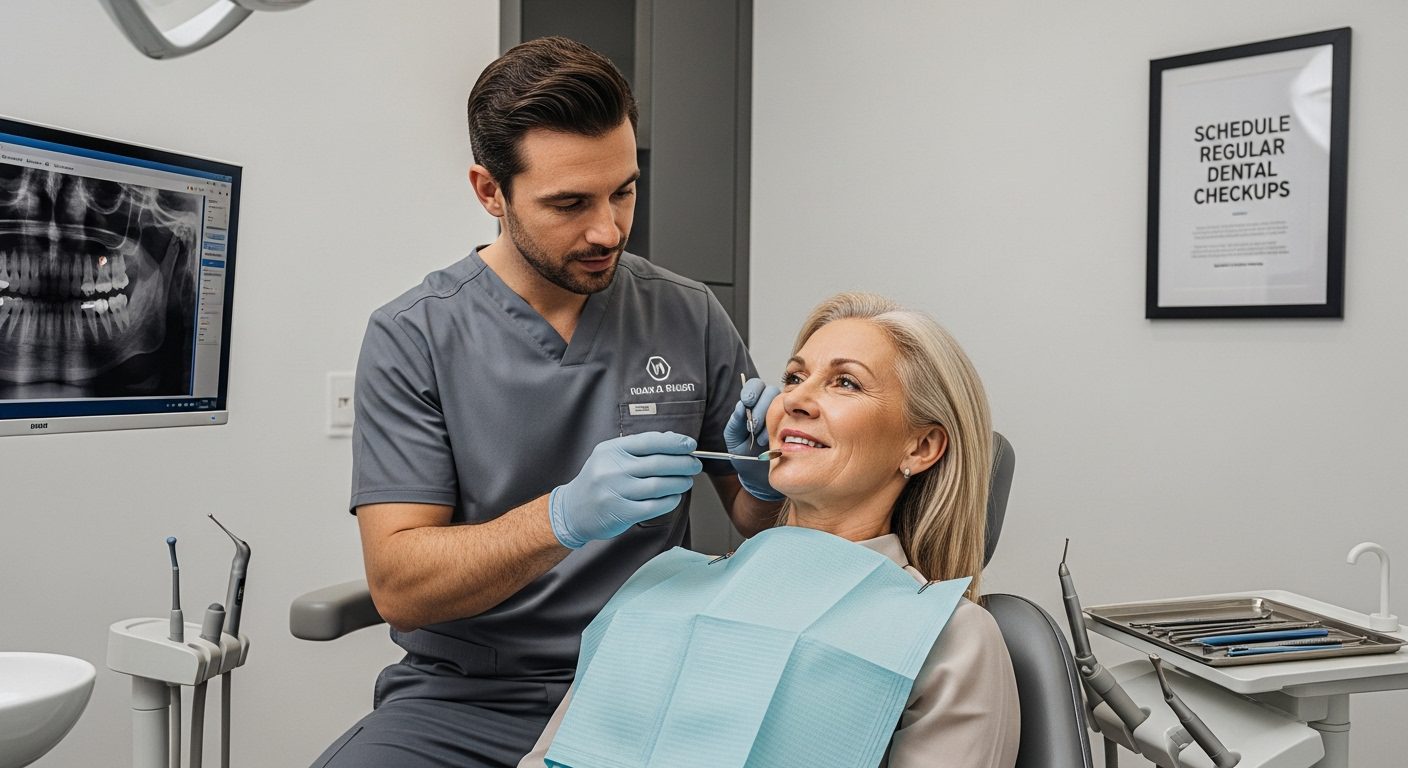
Cuidar los implantes dentales All on 4 va mucho más allá del cepillado dos veces al día. El monitoreo profesional previene posibles complicaciones y capta problemas menores antes de que se conviertan en problemas dentales graves. Muchas personas asumen que los implantes están libres de preocupaciones después de la curación, pero la realidad es que tus hábitos diarios y las pequeñas elecciones tienen un gran impacto en la longevidad de tu sonrisa.
Resumen rápido
| Punto clave | Explicación |
|---|---|
| 1. Programar chequeos dentales regulares | Los chequeos profesionales cada 3-6 meses aseguran la estabilidad del implante y captan los problemas de manera temprana. |
| 2. Mantener una rutina diaria de higiene bucal | Use cepillos de cerdas suaves, pasta de dientes no abrasiva y herramientas especializadas para limpiar eficazmente alrededor de los implantes. |
| 3. Utilizar productos dentales recomendados | Elija pasta de dientes poco abrasiva y enjuague bucal sin alcohol para evitar daños y apoyar la salud del implante. |
| 4. Monitorear signos de malestar | Reporte dolor persistente, hinchazón o cambios en su mordida a su dentista para una evaluación inmediata. |
| 5. Ajustar la dieta para la salud de los implantes | Concéntrese en los alimentos ricos en calcio y vitamina D mientras evita los artículos duros o pegajosos que pueden estresar los implantes. |
Paso 1: Programar chequeos dentales regulares
Mantener sus implantes dentales All on 4 requiere una atención profesional proactiva y consistente. Los chequeos dentales regulares sirven como base para asegurar el éxito a largo plazo y la salud de su inversión. El monitoreo profesional previene posibles complicaciones y capta problemas menores antes de que escalen en problemas dentales más graves.
Cuando programe su chequeo dental, concéntrese en exámenes integrales diseñados específicamente para pacientes con implantes. Durante estas citas, su profesional dental llevará a cabo evaluaciones exhaustivas de la estabilidad de su implante, la condición del tejido de las encías circundantes y la salud bucal en general. Obtenga más información sobre nuestro enfoque especializado de mantenimiento de implantes para comprender los intrincados detalles del cuidado profesional de implantes.
Por lo general, los pacientes con implantes All on 4 deben planificar chequeos profesionales cada tres a seis meses. Estas citas no son solo limpiezas de rutina, sino evaluaciones exhaustivas que incluyen imágenes detalladas, limpieza profesional alrededor de los sitios de implantes y evaluación experta de la integración de implantes. Su dentista examinará cuidadosamente la conexión entre sus implantes y la estructura ósea, verificará si hay signos de inflamación y se asegurará de que su prótesis permanezca perfectamente alineada.
Los aspectos clave de un chequeo efectivo de implantes incluyen:
- Examen visual y táctil detallado de los sitios de los implantes
- Radiografías digitales para evaluar la densidad ósea y la estabilidad del implante
- Limpieza profesional de superficies de implantes y tejidos circundantes
- Evaluación de la alineación de la mordida y el ajuste protésico
Los pacientes también deben venir preparados para discutir cualquier cambio o inquietud que hayan experimentado desde su última visita. Incluso leves molestias o cambios en la sensación de mordida podrían indicar problemas potenciales que requieren atención profesional inmediata. Al mantener un cronograma consistente de chequeos profesionales, reduce significativamente el riesgo de complicaciones y asegura la longevidad de sus implantes dentales.
De acuerdo con guías clínicas publicadas en PubMed, la atención de apoyo sistemática y continua es crucial para mantener la salud de las restauraciones apoyadas por implantes. Esto subraya la importancia no solo de programar chequeos, sino de participar activamente en el manejo continuo de su salud dental.
Paso 2: Adopte una rutina diaria de higiene bucal
Desarrollar una meticulosa rutina diaria de higiene bucal es crucial para proteger sus implantes dentales All on 4 y garantizar su éxito a largo plazo. Su estrategia de atención domiciliaria es igual de importante que las visitas dentales profesionales en el mantenimiento de la salud y la estabilidad de su restauración de implantes. Explore nuestros consejos integrales de higiene bucal para comprender el enfoque matizado requerido para el mantenimiento de implantes.
Su rutina diaria debe centrarse en técnicas de limpieza suaves pero minuciosas diseñadas específicamente para implantes dentales. A diferencia de los dientes naturales, los implantes requieren cuidados especializados para prevenir posibles complicaciones. Comience seleccionando cepillos de dientes de cerdas suaves y pastas dentales no abrasivas que limpiarán de manera efectiva sin rayar la superficie del implante. Los cepillos de dientes eléctricos con cabezales de cepillo suaves pueden proporcionar una acción de limpieza consistente y suave que llega a áreas difíciles alrededor de la restauración de su implante.
El uso del hilo dental cobra mayor importancia con los implantes All on 4. El hilo dental tradicional podría no ser suficiente, así que considere usar cepillos interdentales especializados, hilo dental de agua o herramientas de limpieza específicas para implantes. Estas herramientas ayudan a eliminar bacterias y partículas de alimentos de las áreas alrededor del implante que el cepillado estándar podría pasar por alto. Apunta a limpiar entre y alrededor de tus implantes al menos dos veces al día, enfocándose en eliminar la placa blanda sin aplicar una presión excesiva que pueda dañar el implante o los tejidos circundantes.
La siguiente tabla organiza importantes herramientas diarias de higiene bucal para el cuidado de implantes All on 4, resumiendo las recomendaciones y sus propósitos específicos.
| Herramienta/Producto | Tipo recomendado | Propósito |
|---|---|---|
| Cepillo de dientes | De cerdas suaves o eléctricas con cabeza blanda | Limpieza suave pero efectiva alrededor de los implantes |
| Pasta de dientes | No abrasivo, de baja abrasión | Limpia sin rayar las superficies del implante |
| Herramienta de limpieza interdental | Hilo dental de agua o cepillos interdentales | Removes plaque/food from hard-to-reach areas |
| Mouthwash | Alcohol-free antimicrobial | Reduces bacteria and supports gum health |
Essential daily oral hygiene tools for implant patients include:
- Soft-bristled toothbrush or electric toothbrush
- Non-abrasive, low-abrasion toothpaste
- Water flosser or specialized interdental brushes
- Alcohol-free antimicrobial mouthwash
According to clinical guidelines published in PubMed, individual self-care needs are critical in maintaining peri-implant health. This means your routine might need personalized adjustments based on your specific oral anatomy, implant placement, and overall health conditions. Do not hesitate to consult your dental professional for tailored advice on developing the most effective home care strategy for your unique dental implant situation.
Step 3: Use Recommended Dental Products
Selecting the right dental products is a critical component of maintaining your All on 4 dental implants. Not all oral care products are created equal, and using the wrong tools can potentially damage your expensive implant restoration. Learn about specialized dental care recommendations to understand the nuanced approach required for implant maintenance.
When choosing toothpaste, opt for non-abrasive formulations specifically designed for dental implants. Avoid whitening toothpastes that contain harsh chemicals or excessive abrasive agents, as these can scratch the implant surface and compromise its smooth finish. Look for toothpastes with low relative dentin abrasivity (RDA) ratings, typically below 70, which provide effective cleaning without causing microscopic damage to your implant prosthetics.
Mouthwash selection requires similar careful consideration. Alcohol-free, antibacterial mouthwashes are ideal for implant patients. These products help reduce bacterial growth without causing dry mouth or potential irritation to the sensitive tissues surrounding your implants. Seek out mouthwashes containing chlorhexidine in low concentrations, which can provide excellent antimicrobial protection without compromising the long-term health of your oral microbiome.
Essential dental product recommendations for implant patients include:
- Low-abrasive, implant-specific toothpaste
- Soft-bristled or electric toothbrushes with gentle brush heads
- Alcohol-free antimicrobial mouthwash
- Specialized interdental cleaning tools
According to clinical research published in dental journals, using soft manual toothbrushes, motorized toothbrushes with soft heads, and specialized end-tufted brushes can significantly improve plaque removal around dental implants. Your dental professional can provide personalized recommendations based on your specific implant configuration and oral health needs. Pay attention to how your implants respond to different products, and do not hesitate to consult your dentist if you notice any unusual sensitivity or changes in the feel of your implant restoration.
Step 4: Monitor for Signs of Discomfort or Problems
Vigilant monitoring of your All on 4 dental implants is crucial for catching potential complications early and preventing long-term damage. Early detection can mean the difference between a simple intervention and a complex repair. Learn more about identifying potential implant issues to stay proactive about your oral health.
Pay close attention to any subtle changes in how your implants feel or function. Persistent discomfort, even if mild, should never be ignored. Symptoms like slight movement in the prosthetic, unusual pressure when biting, or changes in how your restoration fits can indicate underlying issues that require immediate professional evaluation. Some patients mistakenly believe minor discomfort is normal, but with dental implants, any persistent sensation outside of initial healing should be professionally assessed.
Specific warning signs demand immediate attention from your dental professional. Redness, swelling, or bleeding around the implant sites are not typical and could signal potential infection or inflammation. Unexplained pain, particularly when chewing or applying pressure, might indicate problems with implant integration or potential bone loss. Additionally, observe any changes in your bite alignment, unexpected looseness in the prosthetic, or unusual sounds when speaking or eating.
**Critical warning signs requiring immediate professional evaluation include:

**
- Persistent pain or discomfort lasting more than a few days
- Visible swelling or redness around implant sites
- Bleeding that does not resolve with gentle cleaning
- Unusual movement or looseness of the implant restoration
- Changes in bite alignment or chewing sensation
According to research published in the International Journal of Oral & Maxillofacial Implants, certain factors like smoking and specific surgical techniques can increase the risk of implant complications. Understanding these risk factors empowers you to be more proactive in monitoring your implants. Maintain a journal documenting any changes or concerns, which can provide valuable information during your professional dental checkups.
Here is a quick troubleshooting table highlighting possible implant problems, their likely causes, and recommended actions, designed to help you react promptly if issues arise.
| Symptom/Problem | Possible Cause | Recommended Action |
|---|---|---|
| Persistent pain/discomfort | Infection, implant instability | Schedule immediate dental evaluation |
| Swelling or redness | Inflammation or infection | Contact dental professional |
| Bleeding that does not resolve | Gum irritation or infection | Gentle cleaning, consult dentist |
| Unusual movement/looseness | Prosthetic or implant complication | Urgent dental assessment |
| Change in bite alignment | Shift in implant position/prosthesis | Professional evaluation |
Remember, your keen observation combined with professional expertise is the best defense against potential implant complications.
Step 5: Adjust Diet to Support Implant Health
Your dietary choices play a significant role in maintaining the long-term success of your All on 4 dental implants. Nutrition directly impacts bone density, healing processes, and overall implant stability. Explore our comprehensive guide to optimal oral nutrition to understand how your diet can support your dental investment.
Initially, focus on soft and nutrient-dense foods during the initial healing phase after implant placement. Smooth proteins like Greek yogurt, scrambled eggs, and protein smoothies provide essential nutrients without putting excessive stress on your new dental restoration. As healing progresses, gradually introduce more varied textures, always being mindful of how different foods interact with your implants. Avoid extremely hard or sticky foods that could potentially compromise the implant’s integration or cause unexpected stress on the prosthetic.
Long-term dietary strategies should prioritize foods that support bone health and reduce inflammation. Calcium-rich foods like leafy greens, dairy products, and fortified plant-based alternatives help maintain bone density around your implants. Incorporate foods high in vitamin D, such as fatty fish, egg yolks, and fortified cereals, which enhance calcium absorption. Omega-3 rich foods like salmon, chia seeds, and walnuts can help reduce inflammation and support overall oral health. Consider limiting sugary and acidic foods that can contribute to bacterial growth and potential complications around implant sites.
Key nutritional recommendations for implant patients include:
- Consume calcium-rich foods for bone health
- Include vitamin D sources in your diet
- Eat protein-dense foods that support healing
- Limit sugar and acidic food intake
- Stay hydrated with water
According to research published in dental journals, dietary factors can significantly impact implant osseointegration. Avoid diets high in fat and fructose, which may negatively affect the implant’s ability to integrate with surrounding bone tissue. Regular consultation with your dental professional can help you develop a personalized nutrition plan that supports your specific implant configuration and overall oral health. Remember that consistent, mindful eating habits are just as crucial as your oral hygiene routine in maintaining the longevity of your All on 4 dental implants.

Protect Your All on 4 Smile for Years to Come
If you are dedicated to keeping your All on 4 implants healthy and strong, you already know how crucial regular care, daily hygiene, and early problem detection are. It can feel overwhelming when you have to balance exams, home maintenance, and the pressure of long-term investment. At Arvada Dental Center, we understand the worry and responsibility that comes with full arch restorations and implant care. That is why our expert team offers tailored solutions to keep your smile secure and your peace of mind intact.
.jpg)
Take the first step toward lasting implant health and confidence. Visit our main website to find resources, schedule a checkup, and explore our specialized implant maintenance approach. Do not wait until discomfort becomes a bigger problem. Choose a partner that supports you through every stage of your oral health journey. Book your appointment with Arvada Dental Center in Arvada and protect your investment today.
Frequently Asked Questions
How often should I schedule dental checkups for my All on 4 implants?
Patients with All on 4 implants should plan for professional dental checkups every three to six months. These appointments are essential for monitoring implant stability and assessing overall oral health.
What should I include in my daily oral hygiene routine for dental implants?
Your daily oral hygiene routine should include gentle brushing with a soft-bristled toothbrush, specialized interdental cleaning tools, and flossing with products designed for implants. Aim to clean between and around your implants at least twice daily.
What dental products are safe to use with All on 4 implants?
Use low-abrasive toothpaste specifically designed for dental implants, soft-bristled or electric toothbrushes, alcohol-free antimicrobial mouthwash, and specialized interdental cleaning tools to ensure the safety and longevity of your implants.
What signs should I look out for that may indicate problems with my implants?
Be vigilant for signs such as persistent pain, swelling or redness around implant sites, bleeding that does not stop with gentle cleaning, unusual movement of your prosthetic, or changes in your bite alignment. If you notice any of these symptoms, consult your dental professional immediately.
Más publicaciones
.jpg)
Entendiendo todo sobre 4 factores de costo para implantes dentales
.jpg)
7 ventajas clave de los implantes dentales para tu sonrisa