

What you eat in the first weeks after dental implant surgery has a direct impact on how well and how quickly you heal. Eat the right foods, and you give your body the nutrients it needs to integrate the implant with your jawbone. Eat the wrong foods, and you can disrupt the surgical site, dislodge the blood clot, or even cause the implant to fail.
This guide gives you a complete week-by-week list of safe foods, foods to avoid, and the science behind why each recommendation matters. Whether you have just had a single tooth implant or full-arch All-On-X surgery, the same principles apply with slightly different timelines.
The First 24 Hours: Cool Liquids Only
For the first 24 hours after implant surgery, your priorities are staying hydrated, avoiding any disturbance to the surgical site, and getting some nutrition without chewing.
Best Foods For Day 1
- Cool water, sipped slowly directly from a glass, no straws
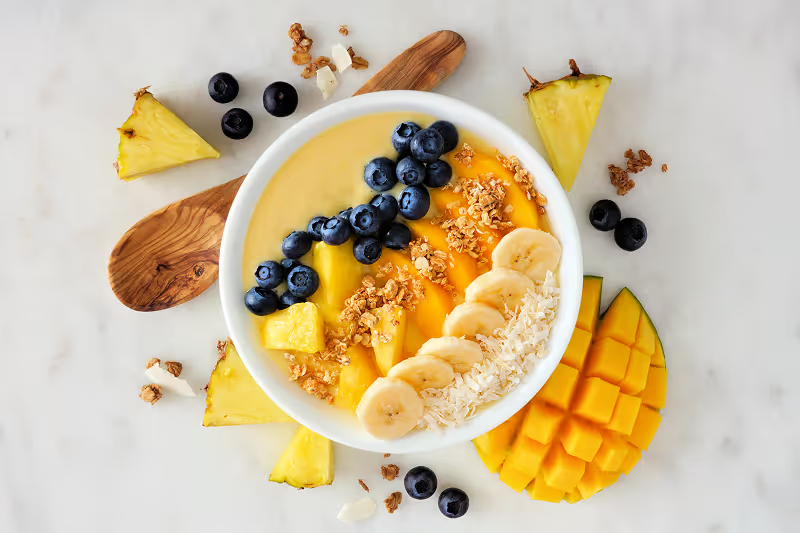
- Cool fruit smoothies made with banana, mango, or berries (strain seeds), sipped not slurped
- Cold yogurt, plain or with smooth jam, no granola or chunks
- Lukewarm broth or clear soup, never hot
- Applesauce, plain or cinnamon
- Pudding, vanilla or chocolate, smooth texture
- Cold mashed banana
- Protein shakes, cold or room temperature
What To Avoid On Day 1
- Hot foods and drinks, including hot coffee, tea, or soup, which can increase bleeding
- Straws of any kind, which create suction that can dislodge the blood clot
- Carbonated drinks, including soda and sparkling water, which can irritate the surgical site
- Alcohol, which interferes with healing and interacts with pain medication
- Hard, crunchy, or chewy foods of any kind
- Spicy foods, which can irritate the surgical site
Days 2 to 7: Soft Foods, Still No Chewing
By day 2, you can introduce more variety while still avoiding heavy chewing near the surgical site. Focus on protein, vitamins, and minerals that support healing.
Protein-Rich Soft Foods
Protein is essential for tissue repair and bone healing. Aim for 60 to 80 grams of protein per day during the first week:
- Soft scrambled eggs, cooked just past runny
- Greek yogurt, full-fat for more calories and healing nutrients
- Cottage cheese, small curd
- Soft fish like tilapia, cod, or canned salmon
- Soft tofu in soup or smoothies
- Ground meat cooked very soft, like sloppy joes or meat sauce on soft pasta
- Refried beans or hummus
- Protein shakes with added protein powder if needed
Vitamin and Mineral Rich Foods
Vitamin C, vitamin D, calcium, and zinc all support faster healing:
- Avocado, mashed or sliced thin (healthy fats, vitamin K, vitamin E)
- Bananas, mashed or in smoothies (potassium)
- Cooked spinach, well-chopped (iron, vitamin K)
- Sweet potato, mashed (vitamin A, vitamin C)
- Mashed potatoes with butter (carbs for energy)
- Oatmeal or cream of wheat, well-cooked (fiber, B vitamins)
- Pumpkin or butternut squash soup, lukewarm (vitamin A)
Foods To Strictly Avoid During Week 1
- Anything with seeds, like raspberries, strawberries, or sesame seed bread, which can lodge in the surgical site
- Nuts and granola, which are sharp and crunchy
- Popcorn, which can lodge between teeth and gums
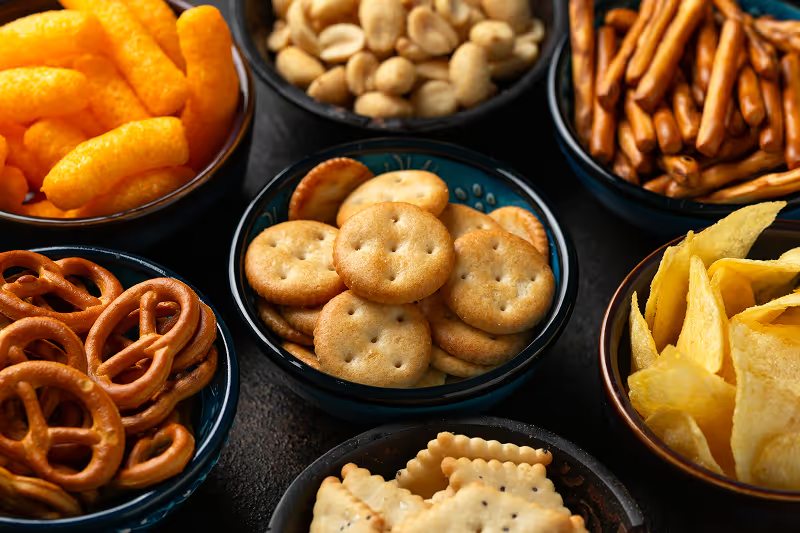
- Chips, pretzels, and crackers
- Hard or crusty bread, including baguettes and pizza crust
- Raw vegetables, especially carrots, celery, and bell peppers
- Tough meats, like steak or chewy chicken
- Spicy foods, including salsa, hot sauce, and curry
- Citrus fruits and juices, which can burn the surgical site
- Sticky candies, caramel, or chewing gum
Weeks 2 to 4: Gentle Chewing Returns
By week 2, the gum tissue has healed enough that you can start gentle chewing on the opposite side of the implant. The implant itself is still integrating with bone underneath, so you continue to protect the surgical site from heavy pressure.
New Foods You Can Add
- Well-cooked pasta with creamy or meat sauce
- Soft rice dishes, including risotto
- Tender cooked vegetables, like steamed broccoli or zucchini
- Soft fruits, like peaches, ripe pears, and bananas
- Pancakes and waffles, soft and not crispy
- Soft sandwiches with tender bread, no crusts
- Quiche and frittatas
- Slow-cooked meats, like pulled pork or pot roast
Still Avoid
- Anything you have to bite into hard, like apples or corn on the cob
- Anything crunchy, like chips or hard granola bars
- Sticky foods that can pull on the surgical site
- Anything with small seeds that can lodge in healing tissue
Weeks 4 to 12: Approaching Normal Diet
For single tooth implants, most patients can resume normal eating around week 4 to 6, although hard biting on the implant side should still be avoided until the final crown is placed. For All-On-X patients, the temporary bridge requires a careful diet for the full 3 to 5 month integration period.
Now Fine For Single Implant Patients
- Steak (cut into small pieces, chew on the opposite side)
- Apples and other crunchy fruits
- Raw vegetables
- Bread with crusts
- Most foods you ate before surgery
Still Avoid Until Implant Integration Is Complete
- Biting directly on the implant side with hard foods
- Extremely hard items like ice, hard candy, or popcorn kernels
- Sticky foods that could dislodge a temporary crown if you have one
The Foods That Actively Help Healing
Beyond just avoiding bad foods, certain nutrients actively speed implant healing and bone integration:
- Vitamin C: Supports collagen formation. Found in cooked bell peppers, well-cooked broccoli, kiwi (avoid seeds during week 1), and citrus once gum tissue is healed.
- Vitamin D and Calcium: Critical for bone integration. Found in milk, yogurt, cheese, fortified cereals, and salmon.
- Protein: The building block of tissue repair. Aim for 60 to 80 grams daily during week 1.
- Zinc: Speeds wound healing. Found in yogurt, eggs, cooked legumes, and pumpkin seeds (once cleared).
- Omega-3 fatty acids: Reduce inflammation. Found in salmon, walnuts (avoid during week 1), and flaxseed oil.
Drinks: What To Choose and Avoid
Safe Drinks
- Water (still, never sparkling for the first week)
- Smoothies (sipped, never with straw)
- Protein shakes
- Lukewarm decaf herbal tea (after day 2)
- Milk and milk alternatives
- Coconut water
Drinks To Avoid
- Alcohol for the first 72 hours minimum
- Hot coffee and hot tea for 24 hours
- Carbonated drinks for the first 5 days
- Citrus juices for the first week
- Anything served through a straw
For more details on the full implant recovery timeline, visit our What To Expect page.
In Conclusion
The right diet after dental implant surgery is your most powerful tool for fast, successful healing. The first week requires cool, soft, nutrient-rich foods with no chewing. Weeks 2 through 4 allow gentle reintroduction of chewing on the opposite side of the implant. By week 4 to 6 for single implants, you are essentially back to normal eating with minor precautions. All-On-X patients follow a longer soft-food timeline through the full 3 to 5 month integration period. When in doubt, choose softer over harder, cooler over hotter, and protein-rich over carb-only, and your implant will thank you for years to come.