.svg)


7 consejos esenciales de recuperación de implantes dentales para el éxito
7 de septiembre de 2025

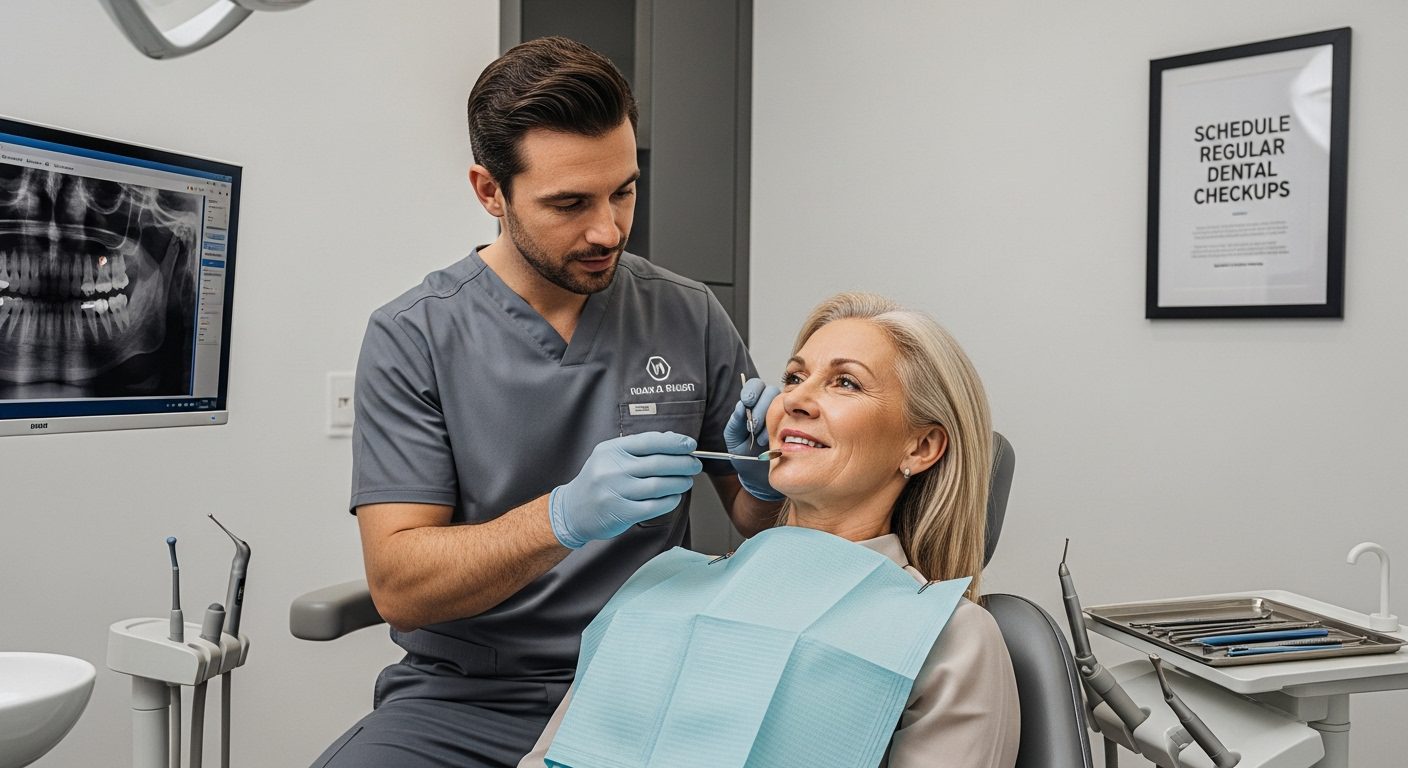
Recuperarse de la cirugía de implantes dentales puede hacer que cualquiera se sienta ansioso por lo que viene después. Aquí hay algo que la mayoría de la gente echa de menos. Saltarse incluso un paso de las instrucciones de su dentista puede aumentar el riesgo de falla del implante o infección hasta en un 30 por ciento. Y en ocasiones, el hábito más pequeño es lo que determina si tu recuperación lleva a una sonrisa fuerte, de por vida u otro viaje al dentista.
Resumen rápido
| Comida para llevar | Explicación |
|---|---|
| Siga las instrucciones del dentista meticulosamente | Adherirse a los protocolos de atención postoperatoria es vital para una recuperación exitosa y evitar complicaciones. |
| Manejar el dolor y la hinchazón de manera efectiva | Use la terapia de frío y los medicamentos recetados para controlar las molestias y promover una curación óptima. |
| Apégate a una dieta de alimentos blandos inicialmente | El consumo de alimentos blandos minimiza el estrés en el sitio quirúrgico y apoya los procesos de curación. |
| Mantener la higiene bucal diligentemente | La limpieza suave y los enjuagues antibacterianos previenen infecciones y mejoran la integración del implante durante la recuperación. |
| Asistir regularmente a citas de seguimiento | Las evaluaciones periódicas ayudan a monitorear la curación y detectar problemas potenciales de manera temprana, asegurando el éxito a largo plazo del implante. |
1: Siga las instrucciones de su dentista cuidadosamente
Recuperarse de la cirugía de implantes dentales requiere una atención precisa y un estricto cumplimiento de la orientación médica profesional. Las instrucciones postoperatorias de su dentista no son sugerencias, sino protocolos críticos diseñados para garantizar una curación exitosa y la integración del implante.
De acuerdo con Salud de la ECU, las instrucciones postquirúrgicas completas generalmente abarcan varias áreas clave que los pacientes deben seguir meticulosamente. Estas instrucciones se personalizan según su procedimiento específico, historial médico y potencial de curación individual.
Las áreas clave en las que el cumplimiento del paciente es crucial incluyen:
- Manejo de medicamentos: Tomar los antibióticos y medicamentos para el dolor recetados exactamente como se le indica
- Restricciones dietéticas: Consumir alimentos blandos y evitar temperaturas extremas
- Higiene Bucal: Mantener rutinas de limpieza suaves pero consistentes
- Restricciones físicas: Evitar actividades extenuantes que puedan comprometer la curación
El no seguir la orientación profesional puede resultar en complicaciones graves como infección, desalineación del implante o fracaso completo del procedimiento. La supervisión médica profesional durante el período de recuperación inicial es primordial.
Para aquellos que buscan orientación adicional sobre la atención postoperatoria, lea nuestra guía completa sobre consejos de cuidado dental postoperatorio.
Recuerde que el viaje de recuperación de cada paciente es único. Si bien estas pautas proporcionan un marco general, siempre priorice las instrucciones específicas proporcionadas por su profesional dental. Su compromiso de seguir estas instrucciones influye directamente en el éxito a largo plazo de su procedimiento de implante dental.
2: Maneje el dolor y la hinchazón de manera efectiva
El dolor y la hinchazón son respuestas naturales a la cirugía de implantes dentales, y comprender cómo manejar estos síntomas de manera efectiva puede mejorar significativamente su experiencia de recuperación. El manejo adecuado no solo reduce las molestias sino que también apoya una curación óptima y reduce las posibles complicaciones.
De acuerdo con investigación publicada en revistas médicas, strategic approaches can minimize postoperative inflammation and pain. Professional pain management involves both medical interventions and patient-driven strategies.
Effective pain and swelling management strategies include:
- Cold Therapy: Applying ice packs for 15-20 minutes at a time during the first 48 hours
- Medication Management: Taking prescribed or recommended pain relief medications as directed
- Elevation: Keeping your head elevated during rest to reduce blood flow and swelling
- Gentle Compression: Using soft, clean gauze to apply gentle pressure
Nonopioid analgesics like ibuprofen are often recommended as first-line pain management options. These medications not only reduce pain but also help control inflammation. Avoid aspirin, as it can increase bleeding risk during the initial healing phase.
For those seeking comprehensive post-surgical care guidance, explore our detailed post-operative care suggestions.
Additional recommendations include staying hydrated, avoiding hot foods and beverages, and getting adequate rest. Each patient’s pain tolerance and healing process are unique, so communicate openly with your dental professional about your specific experience and any concerns during recovery.
3: Stick to a Soft Food Diet Initially
Dietary choices play a critical role in dental implant recovery, with your food selection directly impacting healing and implant integration. Immediately following your procedure, transitioning to a soft food diet is not optional but essential for successful recovery.
The initial dietary approach after dental implant surgery requires careful consideration and strategic nutrition planning. Your goal is to provide necessary nutrients while minimizing stress on the surgical site.
Recommended soft foods that support healing include:
- Protein-Rich Options: Yogurt, scrambled eggs, smooth protein shakes
- Nutrient-Dense Choices: Mashed potatoes, applesauce, pureed vegetables
- Liquid Alternatives: Smoothies, soups, broths
Avoid foods that require significant chewing or might irritate the surgical area. Hard, crunchy, spicy, and extremely hot or cold foods can compromise your healing process and potentially damage the delicate implant site.
Nutritional strategies should focus on:
- Maintaining adequate protein intake
- Staying hydrated
- Consuming foods rich in vitamins A and C to support tissue repair
For additional guidance on post-surgical nutrition, review our comprehensive post-operative care suggestions.
Gradually reintroduce more solid foods as your dental professional recommends, typically within one to two weeks post-surgery. Remember that patience during this dietary phase is crucial for long-term implant success and optimal healing.
4: Keep Your Mouth Clean and Maintain Hygiene
Oral hygiene is paramount during dental implant recovery, with meticulous cleaning practices directly influencing healing and long-term implant success. The surgical site requires gentle yet consistent care to prevent potential complications.
According to research published by the National Institutes of Health, mechanical plaque control and strategic cleaning techniques are crucial in preventing postoperative infections and supporting optimal healing.
Key oral hygiene strategies include:
- Gentle Cleaning: Use soft-bristled toothbrushes to avoid irritating the surgical area
- Antiseptic Rinses: Utilize recommended antimicrobial mouthwashes as directed by your dentist
- Careful Brushing: Avoid direct contact with the implant site during initial healing
Bacteria-induced inflammation can significantly compromise implant integration, making your cleaning routine critically important. For Arvada residents seeking comprehensive guidance, check out our detailed oral hygiene tips.
Additional important considerations for maintaining oral hygiene after dental implant surgery:
- Avoid vigorous rinsing or spitting in the first 24 hours
- Follow your dentist’s specific cleaning instructions
- Monitor the surgical site for any signs of unusual discharge or discomfort
Healing requires a delicate balance of cleanliness and gentleness. Your dental professional will provide personalized instructions tailored to your specific procedure and healing potential. Patience and precision in your oral care routine will significantly contribute to a successful dental implant recovery.
5: Avoid Strenuous Activities During Recovery
Physical rest is a critical component of successful dental implant recovery. Engaging in strenuous activities too soon after surgery can compromise healing, increase complications, and potentially jeopardize your entire implant procedure.
According to the American Association of Oral and Maxillofacial Surgeons, patients must strategically manage their physical activities during the initial recovery period. Your body needs concentrated healing resources directed toward the surgical site.
Activities to avoid during the initial recovery phase include:
- High-Intensity Workouts: Weightlifting, running, and intense cardio exercises
- Contact Sports: Any activities with potential facial impact
- Heavy Lifting: Restricting movements involving significant muscle strain
Elevated heart rate and increased blood pressure can disrupt the delicate healing process. Physical exertion might cause bleeding, swelling, and potentially dislodge the implant’s initial stabilization.
Recommended alternatives during recovery:
- Light walking
- Gentle stretching
- Relaxation techniques
For Arvada residents seeking comprehensive post-surgical guidance, explore our detailed post-operative care suggestions.
Recovery duration varies, typically ranging from one to two weeks before gradually resuming normal physical activities. Always consult your dental professional about specific limitations tailored to your individual procedure and healing potential. Patience during this period significantly increases the likelihood of a successful dental implant outcome.
6: Stay Hydrated for Faster Healing
Hydration plays a pivotal role in dental implant recovery, serving as a fundamental biological mechanism that supports comprehensive healing and tissue regeneration. Water is not merely a beverage but a critical component in your body’s complex repair processes.
According to medical research on wound healing, proper fluid intake maintains tissue perfusion and supports cellular repair mechanisms essential for successful recovery after surgical procedures.
Key hydration strategies for dental implant patients include:
- Consistent Fluid Intake: Drink water regularly throughout the day
- Avoid Extreme Temperatures: Choose room temperature or lukewarm beverages
- Monitor Hydration Levels: Ensure pale yellow urine as an indicator of adequate hydration
Proper hydration supports multiple recovery processes, including reducing inflammation, transporting nutrients, and facilitating waste removal. Adequate water consumption helps your body manage the healing response more efficiently.
Important hydration considerations:
- Avoid alcoholic and caffeinated beverages initially
- Use a straw carefully to prevent disrupting the surgical site
- Consume water-rich foods like watermelon and cucumber
For Arvada residents seeking comprehensive post-surgical guidance, explore our detailed post-operative care suggestions.
Your individual hydration needs may vary, so consult your dental professional about specific recommendations tailored to your procedure and overall health. Remember that consistent, gentle hydration is a powerful tool in supporting your dental implant recovery journey.
7: Attend Follow-up Appointments Regularly
Follow-up appointments are not optional but essential for successful dental implant recovery. These professional consultations provide critical opportunities to monitor healing, assess implant integration, and address potential complications before they become significant issues.
According to research published in medical journals, regular post-operative evaluations are fundamental to long-term implant success. These appointments serve as proactive checkpoints in your healing journey.
Key reasons to prioritize follow-up appointments include:
- Clinical Assessment: Professional examination of surgical site healing
- Radiographic Evaluation: Tracking implant positioning and bone integration
- Early Complication Detection: Identifying potential issues before they escalate
Your dental professional will develop a personalized follow-up schedule tailored to your specific procedure and healing progression. These appointments typically involve comprehensive assessments that go beyond visual inspection.
Important follow-up appointment considerations:
- Bring a list of any symptoms or concerns
- Be prepared for potential additional imaging
- Discuss your ongoing healing experience candidly
For Arvada residents seeking comprehensive dental care guidance, learn more about the importance of regular dental check-ups.
Each follow-up appointment represents an investment in your long-term oral health. By maintaining consistent communication with your dental professional, you maximize the potential for successful implant integration and reduce the risk of future complications. Your commitment to these appointments directly influences the longevity and performance of your dental implants.
Below is a comprehensive table summarizing the seven essential tips for dental implant recovery, highlighting key actions and their benefits for a successful, complication-free healing process.
| Recovery Tip | Key Actions | Benefits & Outcomes |
|---|---|---|
| Follow Dentist’s Instructions Carefully | Take medications as directed, respect all restrictions | Maximizes healing, reduces risk of infection/failure |
| Manage Pain and Swelling Effectively | Use cold therapy, prescribed pain relief, elevate head, gentle care | Minimizes discomfort, supports optimal healing |
| Stick to a Soft Food Diet Initially | Choose soft, nutrient-rich foods, avoid hard/spicy/temperature extremes | Protects implant site, speeds recovery, prevents injury |
| Keep Your Mouth Clean and Maintain Hygiene | Gentle brushing, use antimicrobial rinses, follow dentist’s advice | Lowers infection risk, enhances implant integration |
| Avoid Strenuous Activities During Recovery | Rest, limit exercise, avoid heavy lifting and contact sports | Prevents bleeding, swelling, and implant disturbance |
| Stay Hydrated for Faster Healing | Drink water regularly, avoid alcohol/caffeine, monitor hydration | Reduces inflammation, aids tissue repair and recovery |
| Attend Follow-up Appointments Regularly | Keep all scheduled checkups, report concerns, follow advice | Ensures proper healing, early problem detection |
Take Control of Your Implant Recovery for a Healthier Smile
Are you feeling unsure about how to follow those critical recovery steps after dental implant surgery? Many patients worry about pain management, maintaining oral hygiene, or simply following their dentist’s post-operative instructions the right way. Your journey to a successful recovery deserves expert support and proven solutions every step of the way. Trust the same team who performed your procedure to personalize your care and keep you on track to lasting implant success.
Ready to protect your new smile and avoid common setbacks? Schedule your follow-up and discover our full range of supportive dental implant care at Arvada Dental Center. If you want step-by-step post-surgical advice, browse our post-operative care suggestions or learn about the importance of regular dental check-ups. Don’t wait for complications to appear. Take action now with the team trusted by patients across Arvada and the Denver metro area.
Frequently Asked Questions
What should I do immediately after dental implant surgery?
You should follow your dentist’s post-operative instructions carefully, which typically include managing medications, maintaining a soft food diet, and keeping the mouth clean to ensure proper healing.
How can I manage pain and swelling after getting dental implants?
To manage pain and swelling effectively, apply ice packs for the first 48 hours, take prescribed pain medications as directed, keep your head elevated, and avoid strenuous activities. Nonopioid analgesics like ibuprofen are generally recommended.
What kind of diet should I follow during dental implant recovery?
Initially, you should stick to a soft food diet, including protein-rich options like yogurt or scrambled eggs, and avoid hard, crunchy, or spicy foods that might irritate the surgical site.
How important are follow-up appointments after a dental implant procedure?
Follow-up appointments are crucial for monitoring healing, assessing implant integration, and detecting any potential complications early. Regular evaluations help ensure the long-term success of your dental implants.
Recommended
- Tooth Implant Recovery
- 7 Essential Post-Operative Care Tips for Dental Patients
- How to Maintain Oral Health After Dental Implants
- How Long Do Dental Implants Take to Heal
- How to Maintain Dental Implants for Long-lasting Health
- 7 Types of Foods To Avoid After a Tooth Extraction
Más publicaciones
.jpg)
Entendiendo todo sobre 4 factores de costo para implantes dentales
.jpg)
7 ventajas clave de los implantes dentales para tu sonrisa