.svg)


7 pasos esenciales para un viaje de implantes dentales
2 de septiembre de 2025


Conseguir implantes dentales suena como un gran paso, y mucha gente se pregunta si el proceso es tan complicado como parece. Más de 3 millones de estadounidenses ya tienen implantes dentales, y ese número crece en alrededor de 500,000 cada año. ¿Sorprendido? La mayoría lo son, sobre todo porque lo que realmente hace o rompe toda la experiencia no es solo la cirugía sino la preparación y seguimiento que la mayoría de las personas pasan por alto. Si crees que los implantes dentales son solo sobre el día en la silla del dentista, te faltan las partes que más importan.
Resumen rápido
| Comida para llevar | Explicación |
|---|---|
| Programe una consulta inicial con un dentista. | Comience su viaje de implantes dentales con una consulta integral para evaluar su elegibilidad y crear un plan de tratamiento personalizado. |
| Setámese a exámenes dentales exhaustivos e imagenología. | Los exámenes detallados y las imágenes avanzadas son esenciales para evaluar la estructura ósea y planificar colocaciones precisas de implantes. |
| Discuta abiertamente las opciones de tratamiento y los costos. | Entender los diferentes planes de tratamiento y costos asociados para tomar decisiones informadas sobre su inversión en salud dental. |
| Prepárese mental y físicamente para la cirugía. | La preparación clara, incluidos los cambios en la dieta y la comprensión del proceso, mejora la experiencia quirúrgica y la recuperación. |
| Cumplir rigurosamente las instrucciones de atención postoperatoria. | Seguir todas las pautas posteriores a la cirugía asegura una curación adecuada y una integración exitosa del implante dental. |
1: Programe una consulta con su dentista
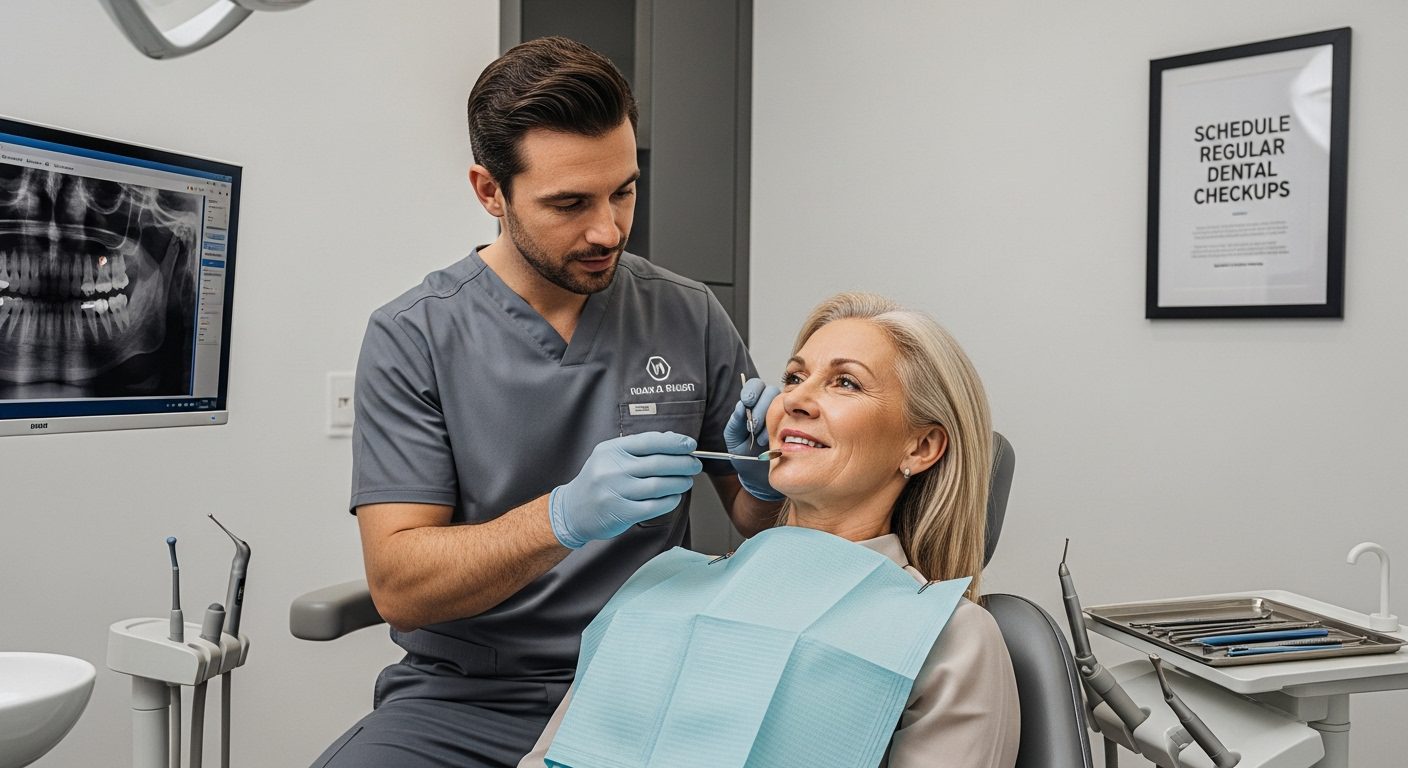
El primer paso crítico en su viaje de implantes dentales comienza con la programación de una consulta integral con un dentista calificado. Esta reunión inicial sirve como base para comprender sus necesidades dentales únicas y determinar la vía de tratamiento más adecuada. Durante esta consulta, su dentista llevará a cabo una evaluación exhaustiva de su salud bucal, discutiendo sus objetivos específicos y evaluando su candidatura para implantes dentales.
Su consulta generalmente involucrará varios componentes clave que ayudan a crear una estrategia de tratamiento personalizada. Según la Academia Americana de Odontología de Implantes, la evaluación inicial incluirá:
- Una revisión exhaustiva de su historial médico y dental
- Examen detallado de sus dientes, encías y estructura de la mandíbula
- Radiografías digitales o imágenes 3D para evaluar la densidad ósea y los posibles sitios de implantes
- Discussion of your specific aesthetic and functional goals
Preparing for your consultation requires gathering important information and documentation. Bring all relevant medical records, including a list of current medications, previous dental treatments, and any existing health conditions that might impact the implant procedure. Your dentist will use this information to develop a safe and effective treatment plan tailored specifically to your needs.
During the consultation, you should also feel empowered to ask questions about the entire dental implant process. Inquire about the expected timeline, potential complications, recovery expectations, and total cost of the procedure. A transparent and communicative dentist will help you feel confident and informed about moving forward with dental implants.
Remember that this initial consultation is not just about determining technical feasibility, but also about establishing trust and comfort with your dental professional. Choose a dentist who listens carefully to your concerns, explains procedures clearly, and demonstrates expertise in dental implant treatments.
2: Undergo Comprehensive Dental Exam and Imaging
After your initial consultation, the next critical phase in your dental implant journey involves a comprehensive dental examination and advanced imaging. This detailed assessment provides your dental professional with a complete understanding of your oral health status and helps determine the optimal approach for your dental implant procedure.
Advanced imaging techniques play a pivotal role in successful dental implant planning. According to research published in the National Center for Biotechnology Information, modern diagnostic technologies enable precise evaluation of bone structure and potential implant sites.
Your comprehensive dental exam will typically include several key diagnostic components:
- Detailed clinical oral examination
- Digital X-ray imaging
- 3D cone beam computed tomography (CBCT) scans
- Comprehensive assessment of bone density and volume
- Evaluation of overall oral health and potential treatment challenges
Bone quality and quantity are crucial factors in determining dental implant success. During this examination, your dentist will carefully assess the jawbone’s structural integrity to ensure it can support dental implants. If bone density is insufficient, additional procedures like bone grafting might be recommended to create a stable foundation for the implants.
The imaging process provides a roadmap for your entire dental implant procedure. Precise digital scans allow your dental professional to:
- Plan the exact positioning of dental implants
- Identify potential anatomical challenges
- Minimize surgical risks
- Create a customized treatment strategy
Patients should approach this examination phase with openness and provide complete medical history. Any existing dental conditions, medical treatments, or health issues can significantly impact the implant procedure’s planning and ultimate success. Your dental professional will use this comprehensive examination to develop a tailored approach that ensures the best possible outcome for your dental implant treatment.
3: Discuss Treatment Options and Costs
Once your comprehensive dental examination is complete, the next crucial step involves discussing specific treatment options and understanding the associated costs. This conversation with your dental professional will help you make an informed decision about your dental implant procedure.
According to the FDA, patients should carefully consider multiple factors when exploring dental implant treatments. Treatment options can vary significantly depending on your specific dental needs and oral health condition.
Typical dental implant treatment options include:
- Single tooth replacement
- Multiple tooth implant bridges
- Full arch tooth replacement
- All-on-4 implant solutions
Cost considerations are a critical aspect of your dental implant journey. While prices can vary widely, patients should expect investment ranges that reflect the complexity and customization of their specific treatment. Understanding the financial components will help you plan effectively and avoid unexpected expenses.
Important cost factors to discuss with your dental professional include:
- Initial consultation fees
- Surgical procedure costs
- Implant and prosthetic material expenses
- Potential additional procedures like bone grafting
- Follow-up care and maintenance expenses
Many dental offices offer flexible payment plans or financing options to help manage the investment in your oral health. Insurance coverage can also play a significant role in offsetting some treatment expenses, so discuss potential reimbursement options with both your dental provider and insurance carrier.
Transparency is key during this discussion. A reputable dental professional will provide a detailed breakdown of expected costs, potential additional expenses, and a clear timeline for your specific dental implant procedure. Do not hesitate to ask questions about pricing, potential variations in treatment, and long-term maintenance requirements to ensure you feel fully informed and comfortable with your chosen treatment plan.
4: Prepare for the Dental Implant Procedure
Preparing for your dental implant procedure involves comprehensive planning and personal readiness. Mental and physical preparation are crucial elements that can significantly impact your surgical experience and recovery process. According to research published in the Journal of Clinical Medicine Research, patient preparation encompasses multiple critical aspects beyond simple medical readiness.
Before your scheduled procedure, your dental professional will provide specific instructions tailored to your individual health profile. Pre-surgical requirements may include:
- Completing recommended medical evaluations
- Adjusting current medication protocols
- Managing existing health conditions
- Arranging transportation for post-surgical care
Physical preparation involves creating optimal conditions for successful implant surgery. Dietary modifications can play a significant role in supporting your body’s healing capacity. In the weeks leading up to your procedure, focus on consuming nutrient-rich foods that support bone health and immune function.
Patients should also prepare their home environment to support a smooth recovery. Essential recovery preparations include:
- Stocking soft, nutritious foods
- Preparing ice packs and prescribed pain management medications
- Creating a comfortable recovery space
- Arranging support from family or friends during initial recovery
Medications and health management require careful attention before dental implant surgery. Inform your dental professional about all current medications, including over-the-counter supplements and herbal treatments. Some medications might need temporary adjustment to minimize surgical risks and optimize healing potential.
Mental preparation is equally important. Understanding the procedure, having realistic expectations, and maintaining a positive mindset can significantly contribute to a successful surgical experience. Discuss any anxiety or concerns with your dental professional, who can provide reassurance and detailed information about what to expect during and after the implant procedure.
5: Receive the Dental Implant Surgery
Dental implant surgery represents a precise and transformative medical procedure that requires expert skill and careful execution. This pivotal moment in your dental restoration journey involves strategically placing titanium posts into your jawbone to serve as artificial tooth roots.
According to the Mayo Clinic, the surgical procedure involves several critical stages that require specialized techniques and professional expertise.
The typical dental implant surgery process includes:
- Administration of local anesthesia
- Precise surgical incision in the gum tissue
- Drilling a small hole in the jawbone
- Placement of titanium implant post
- Closing the surgical site
Surgical precision is paramount during this procedure. Your dental surgeon will use advanced imaging and specialized surgical tools to ensure accurate implant placement. The titanium post is carefully positioned to provide maximum stability and promote optimal bone integration.
Patients can expect the following during their surgical experience:
- Minimal discomfort due to local anesthesia
- Controlled and measured surgical approach
- Professional monitoring throughout the procedure
- Immediate post-surgical care instructions
Recovery begins immediately after surgery, with most patients experiencing mild discomfort that can be managed with prescribed pain medication. The initial healing phase is crucial, as the implant must undergo osseointegration – a process where the titanium post fuses with the surrounding bone tissue.
Your dental professional will provide specific post-surgical guidelines to support proper healing. This may include recommendations for soft food diets, oral hygiene practices, and potential limitations on physical activities. Following these instructions carefully will help ensure successful implant integration and long-term dental health.
6: Follow Post-Operative Care Instructions
Post-operative care is a critical phase that significantly influences the success of your dental implant procedure. Proper healing and maintenance require strict adherence to your dental professional’s specific instructions, ensuring optimal integration and long-term implant health.
According to research published in dental medical journals, successful implant outcomes depend heavily on meticulous patient care during the initial recovery period.
Key post-surgical care recommendations include:
- Managing potential discomfort with prescribed medications
- Maintaining gentle oral hygiene practices
- Avoiding strenuous physical activities
- Consuming soft, nutritious foods
- Minimizing direct contact with surgical sites
Oral hygiene becomes particularly crucial during the initial healing phase. Your dental professional will provide specialized instructions for cleaning around the implant site, which may involve using specific tools like soft-bristled toothbrushes, antimicrobial mouthwashes, and gentle cleaning techniques that prevent disrupting the surgical area.
Patients should be vigilant about potential warning signs that might indicate complications:
- Excessive bleeding
- Persistent or increasing pain
- Signs of infection
- Unusual swelling
- Implant movement or instability
Dietary modifications play a significant role in supporting healing. Patients are typically advised to consume soft, nutrient-rich foods that do not require extensive chewing. Avoiding extremely hot or cold foods, as well as hard or crunchy items that might stress the surgical site, is important during the initial recovery period.
Regular follow-up appointments with your dental professional are essential to monitor healing progress, address any potential concerns, and ensure the implant is integrating correctly with your natural bone structure. These check-ups allow your dentist to make any necessary adjustments and provide ongoing guidance for optimal implant success.
7: Attend Follow-Up Appointments for Monitoring
Follow-up appointments represent a critical phase in ensuring the long-term success of your dental implant procedure. These strategic monitoring sessions allow your dental professional to assess healing progress, detect potential complications early, and maintain the optimal health of your dental implants.
According to a comprehensive clinical trial, regular maintenance appointments are essential for managing potential technical and biological complications that may arise after implant therapy.
Key objectives of follow-up appointments include:
- Evaluating implant integration and stability
- Checking overall oral health
- Monitoring potential signs of infection
- Assessing bone and soft tissue healing
- Performing professional cleaning around implant sites
Frequency of follow-up visits varies depending on individual patient needs and healing progress. Initially, appointments may be more frequent, typically scheduled at:
- 1 week post-surgery
- 2-3 weeks post-surgery
- 1 month post-surgery
- 3 months post-surgery
- 6 months post-surgery
During these appointments, your dental professional will conduct comprehensive assessments using advanced diagnostic techniques. Professional examinations will include visual inspections, digital imaging, and precise measurements to ensure the implant is functioning correctly and integrating seamlessly with your natural bone structure.
Patients should actively participate in these follow-up sessions by:
- Reporting any unusual sensations or discomfort
- Discussing oral hygiene practices
- Asking questions about long-term implant care
- Maintaining open communication with their dental professional
These monitoring appointments are not just about identifying potential issues but also about celebrating the successful integration of your dental implants. They provide an opportunity to reinforce proper care techniques and ensure your ongoing oral health and satisfaction with the implant procedure.
Here is a comprehensive summary table organizing all key steps, benefits, and outcomes of the dental implant journey discussed in the article.
| Step | Description | Key Considerations/Benefits |
|---|---|---|
| 1. Consultation | Schedule an initial meeting with a qualified dentist for evaluation and treatment planning. | Enables personalized approach and establishes trust. |
| 2. Exam & Imaging | Undergo detailed oral exams and 3D imaging to assess bone and identify optimal implant sites. | Ensures safe, precise, and customized implant strategy. |
| 3. Treatment & Cost Discussion | Review implant options and all associated costs with your dental professional. | Promotes informed decisions and financial preparedness. |
| 4. Preparation | Follow guidance on health, medications, and home setup to prepare for surgery. | Supports smoother surgery and faster recovery. |
| 5. Surgery | Receive dental implant placement through a controlled, expert-guided surgical procedure. | Achieves strong foundation for dental restoration. |
| 6. Post-Op Care | Strictly follow care instructions for pain management, hygiene, and diet. | Ensures healing, prevents complications, supports outcome. |
| 7. Follow-Up Appointments | Attend scheduled visits to monitor implant integration and oral health. | Detects and addresses issues early; maximizes longevity. |
Ready to Start Your Dental Implant Journey in Arvada?
Choosing dental implants is a life-changing decision. You may feel uncertain about where to begin, how to prepare, or who you can trust to guide you through each step. From initial consultations and personalized exams to expert implant surgery and meticulous post-operative care, this journey can seem overwhelming. Arvada Dental Center understands these concerns and is dedicated to supporting you every step of the way. Our skilled team specializes in dental implants, all-on-4 implants, and full arch restorations—giving you confidence from consultation to full recovery.
.jpg)
If you want a smooth and successful dental implant experience, now is the time to act. Connect with the experts at Arvada Dental Center and take the first step toward a confident new smile. You can schedule your personalized dental implant consultation directly through our main website, where you will find resources, patient success stories, and a clear process that matches the steps you just learned about. Reclaim your oral health and let our experience in the Arvada and Denver metro community work for you today.
Frequently Asked Questions
What is the first step in the dental implant journey?
The first step is to schedule a comprehensive consultation with a qualified dentist to evaluate your oral health and determine your candidacy for dental implants.
What does a comprehensive dental exam for implants involve?
A comprehensive dental exam includes a detailed clinical examination, digital X-ray imaging, 3D scans, and an assessment of bone density and overall oral health to create a customized treatment plan.
How are dental implant costs determined?
Dental implant costs can vary based on several factors, including the complexity of the procedure, type of implants used, any additional procedures like bone grafting, initial consultation fees, and follow-up care.
Why are follow-up appointments necessary after dental implant surgery?
Follow-up appointments are essential to monitor the healing process, evaluate the implant’s stability, check for potential complications, and ensure that the implant integrates properly with your jawbone.
Recommended
- How Long Do Dental Implants Take to Heal
- What Makes Mini Dental Implants Different from Regular Implants?
- How Long Do Dental Implants Last? Discover Implant Lifespan
- How Is a Dental Implant Done? A Step-by-Step Guide
Más publicaciones
.jpg)
Entendiendo todo sobre 4 factores de costo para implantes dentales
.jpg)
7 ventajas clave de los implantes dentales para tu sonrisa