.svg)


Comprender los tipos de emergencias dentales: lo que necesita saber
14 de septiembre de 2025

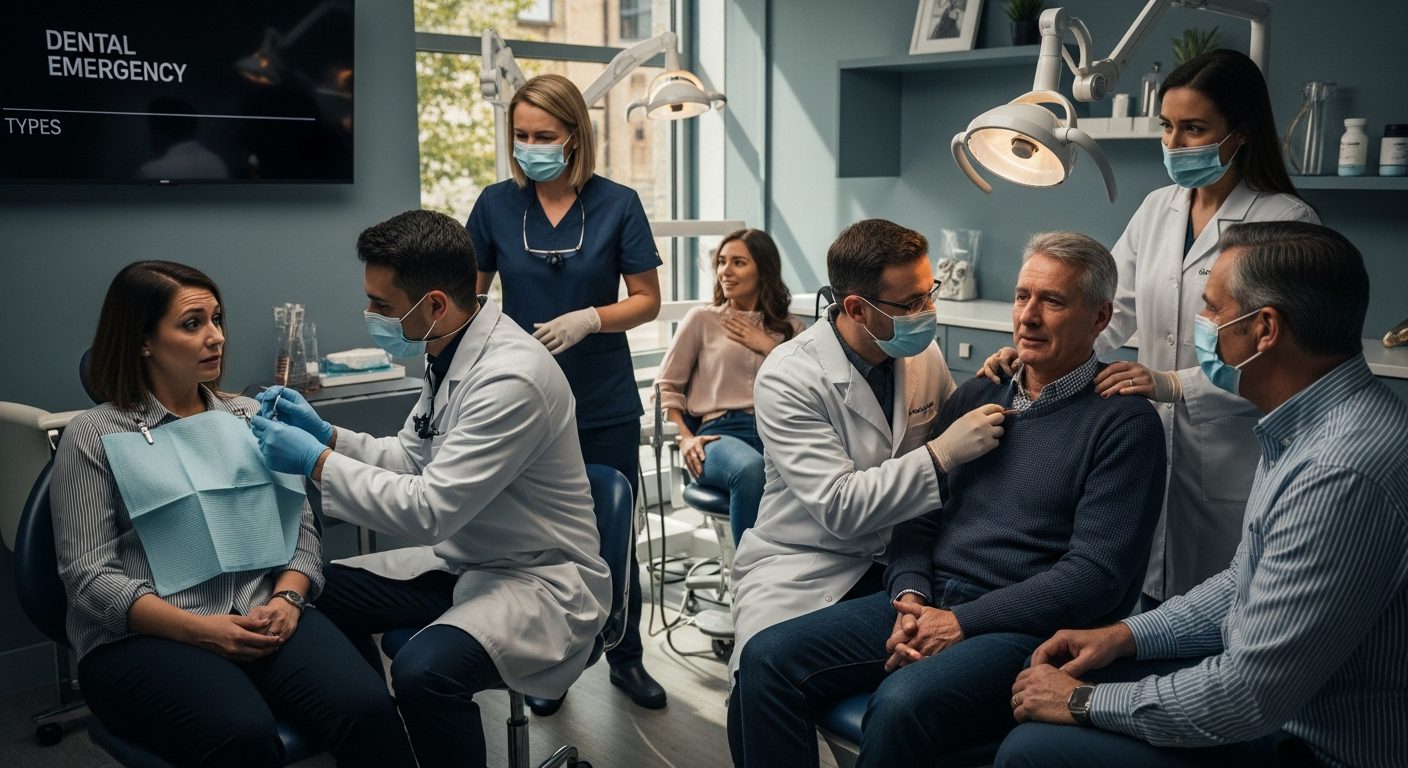
Las emergencias dentales pueden llegar sin previo aviso y dejarte buscando respuestas. Cada año, más de 5 millones de dientes son noqueados en Estados Unidos debido solo a un trauma. La mayoría de la gente piensa que la peor parte es el dolor o la sonrisa dañada. El verdadero peligro se esconde en lo que sucede a continuación si no actúas rápido. La acción rápida puede significar la diferencia entre salvar su diente y enfrentar problemas de salud duraderos.
Resumen rápido
| Comida para llevar | Explicación |
|---|---|
| Reconocer tipos de emergencias dentales. | Identificar emergencias dentales ayuda a los pacientes a buscar atención oportuna, potencialmente salvando dientes y evitando complicaciones graves. |
| Actuar rápidamente por lesiones traumáticas. | Para la avulsión dental, la reimplantación dentro de los 30 minutos es fundamental para la recuperación, por lo que la acción rápida es esencial. |
| Busque ayuda para el dolor intenso o las infecciones. | El dolor dental severo y las infecciones como abscesos indican afecciones graves que requieren intervención profesional inmediata. |
| Entender los riesgos de las emergencias no tratadas. | Dejar las emergencias dentales sin atender puede convertirse en infecciones sistémicas y problemas de salud a largo plazo, enfatizando la necesidad de una atención inmediata. |
| La conciencia impacta los costos del tratamiento. | Reconocer y actuar en las emergencias dentales de manera temprana puede minimizar la necesidad de procedimientos dentales extensos y costosos. |
¿Cuáles son los diferentes tipos de emergencias dentales?
Las emergencias dentales son situaciones inesperadas que involucran complicaciones graves de salud bucal que requieren atención profesional inmediata. Comprender estos escenarios ayuda a los pacientes a reconocer cuándo es necesaria la atención dental urgente y potencialmente previene daños a largo plazo en los dientes, las encías y la salud bucal en general.
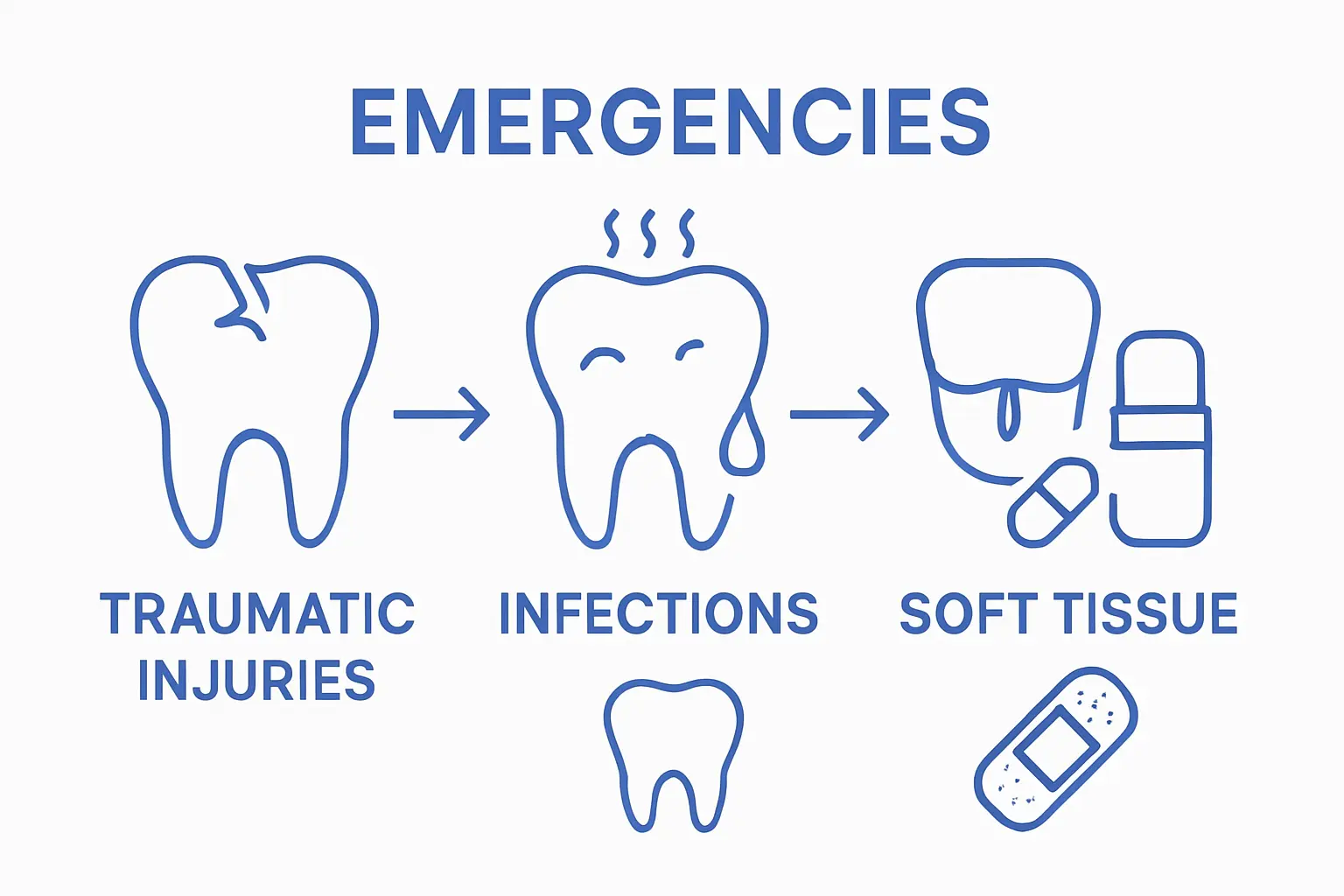
Lesiones Dentales Traumáticas Agudas
Las lesiones dentales traumáticas representan algunas de las emergencias más sensibles al tiempo. Estos incluyen escenarios donde el impacto físico o accidente causa daño inmediato a los dientes o estructuras bucales circundantes. Según los Institutos Nacionales de Salud, las emergencias dentales traumáticas abarcan varias condiciones críticas:
- Avulsión dental: Desplazamiento completo de un diente desde su alócalo, que requiere una reimplantación inmediata dentro de los 30 minutos para una posible recuperación exitosa
- Fracturas Dentales: Grietas o roturas en el esmalte dental que van desde pequeñas astillas superficiales hasta daños estructurales graves
- Luxación de dientes: Dientes que están parcialmente desplazados, ya sea empujados más profundamente en el alveollo o parcialmente desalojados
Infecciones graves y condiciones de dolor
Las emergencias dentales infecciosas plantean riesgos significativos más allá de las molestias inmediatas. Estas condiciones pueden progresar rápidamente y potencialmente crear complicaciones sistémicas de salud si no se tratan. Los indicadores clave incluyen:
- Abscesos periapicales: Infecciones dolorosas que se desarrollan en las raíces de los dientes, a menudo acompañadas de hinchazón y fiebre potencial
- Sangrado oral incontrolado: Sangrado persistente de los tejidos de las encías o procedimientos dentales recientes
- Dolor de dientes severo: Dolor intenso y persistente que indica una posible inflamación de la pulpa o deterioro avanzado
Tejidos blandos y emergencias estructurales
Más allá de los problemas específicos de los dientes, las emergencias dentales pueden involucrar las estructuras orales circundantes. Estas situaciones requieren pronta evaluación profesional para prevenir posibles complicaciones. Los escenarios críticos incluyen lesiones significativas de tejidos blandos, como laceraciones profundas en labios, mejillas o lengua, e casos de objetos que se alojan entre los dientes que causan una posible infección o daño estructural.
Reconocer estos diferentes tipos de emergencias dentales permite a los pacientes buscar una intervención profesional oportuna, potencialmente salvando dientes y previniendo tratamientos médicos más extensos.
Para ayudar a los lectores a diferenciar rápidamente entre los tipos de emergencias dentales cubiertas en el artículo, la siguiente tabla resume sus características clave y necesidades urgentes.
| Tipo de emergencia dental | Características principales | Urgencia/Acción requerida |
|---|---|---|
| Lesiones Dentales Traumáticas Agudas | Impacto físico, diente roto o roto, desplazamiento | Atención inmediata, posible reimplantación |
| Infecciones graves y condiciones de dolor | Dolor intenso, hinchazón, absceso, sangrado persistente | Intervención profesional inmediata |
| Tejidos blandos y emergencias estructurales | Cortes, laceraciones u objetos que se alojen en la boca | Evaluación pronta para prevenir complicaciones |
Why Recognizing Dental Emergency Types is Important
Recognizing dental emergency types is crucial for preserving oral health, preventing long-term complications, and ensuring timely medical intervention. Understanding the nuanced differences between various dental emergencies can mean the difference between saving and losing a tooth, managing potential systemic health risks, and avoiding extensive medical treatments.
Prevention of Long-Term Oral Health Complications
Dental emergencies left unaddressed can rapidly escalate into severe health issues. Research from the National Institutes of Health highlights that untreated dental emergencies can lead to significant complications, including:
- Potential bacterial spread causing systemic infections
- Permanent tooth loss or structural damage
- Compromised oral and overall physiological functioning
Quick identification and appropriate response can mitigate these risks, preserving both dental integrity and patient health.
Professional intervention within critical time windows can often reverse or significantly reduce potential damage.
Financial and Treatment Implications
Early recognition of dental emergencies directly impacts treatment complexity and associated costs. Delayed responses typically result in more invasive and expensive procedures. Patients who identify and address dental emergencies promptly can:
- Minimize extensive dental reconstructive treatments
- Reduce overall medical intervention expenses
- Prevent potential long-term health complications
Psychological and Quality of Life Considerations
Beyond physical health, dental emergencies carry significant psychological impacts. Sudden oral trauma or severe pain can create substantial emotional stress and disrupt daily functioning. Recognizing and responding to these emergencies helps patients:
- Maintain emotional well-being
- Restore confidence in oral health
- Quickly return to normal daily activities
Understanding dental emergency types empowers individuals to make informed decisions, seek appropriate care, and protect their overall health and well-being.
The table below organizes key factors that make recognizing dental emergencies important, connecting each to its impact on the patient and oral health.
| Factor | Impact on Patient and Oral Health |
|---|---|
| Prevention of Long-Term Health Complications | Mitigates risk of tooth loss, systemic infection, and oral dysfunction |
| Financial and Treatment Implications | Reduces need for expensive, extensive procedures |
| Psychological and Quality of Life Considerations | Minimizes stress, restores confidence, and daily function |
How Dental Emergencies Affect Oral Health
Dental emergencies represent critical disruptions in oral health that can have profound and lasting consequences beyond immediate pain or discomfort. These urgent situations fundamentally challenge the intricate balance of oral ecosystem, potentially triggering cascading effects that compromise overall dental wellness and systemic health.
Structural Tooth and Gum Damage
According to the Centers for Disease Control, untreated dental emergencies can cause irreversible damage to tooth structures and surrounding tissues. The immediate consequences of these emergencies include:
- Permanent tooth loss or structural weakening
- Progressive enamel degradation
- Compromised gum tissue integrity
- Increased vulnerability to future infections
When traumatic injuries or severe infections are not addressed promptly, the body’s natural healing mechanisms become overwhelmed, leading to complex and potentially irreversible oral health challenges.
Systemic Infection Risks
Dental emergencies extend far beyond localized oral complications. Untreated dental infections can rapidly transform into systemic health threats, potentially spreading bacteria through the bloodstream. Critical risk factors include:
- Potential heart disease complications
- Increased risk of respiratory infections
- Compromised immune system functioning
- Higher likelihood of developing chronic inflammatory conditions
Long-Term Physiological Implications
The repercussions of unmanaged dental emergencies reach deep into an individual’s overall health profile. Chronic oral health issues stemming from poorly addressed emergencies can create persistent physiological challenges. These may manifest as:
- Persistent chronic pain syndromes
- Reduced nutritional intake due to eating difficulties
- Psychological stress related to oral health complications
- Potential speech and communication impediments
Understanding these multifaceted impacts underscores the critical importance of immediate, professional intervention during dental emergencies, highlighting oral health as an integral component of comprehensive personal wellness.
Key Concepts Behind Common Dental Emergency Types
Understanding dental emergency types requires a comprehensive approach that integrates biological mechanisms, potential risk factors, and critical intervention strategies. These emergencies represent complex physiological disruptions that demand nuanced medical understanding and immediate professional response.
Biological Mechanisms of Dental Trauma
According to the American Dental Association, dental emergencies involve intricate interactions between physical damage and biological response mechanisms. The body’s immediate reaction to oral trauma involves several critical processes:
- Inflammatory response activation
- Immune system mobilization
- Tissue repair mechanism initiation
- Neurological pain signaling
These biological mechanisms determine the potential for tissue recovery and long-term oral health outcomes. The speed and quality of professional intervention directly influence the body’s ability to heal and restore dental structures.
Pathological Progression of Dental Infections
Dental infections represent dynamic biological systems with complex progression pathways. Understanding their development helps medical professionals implement targeted intervention strategies. Key pathological progression stages include:
- Initial bacterial colonization
- Inflammatory response development
- Potential systemic infection spread
- Tissue destruction and structural compromise
The transition from localized infection to systemic health threat depends on multiple factors, including patient immune response, bacterial virulence, and timing of professional intervention.
Risk Factors and Vulnerability Assessment
Certain individual characteristics significantly influence dental emergency susceptibility and potential complications. These risk factors create differential vulnerability profiles that medical professionals must carefully evaluate:
- Genetic predisposition to oral health issues
- Existing chronic health conditions
- Age-related physiological changes
- Lifestyle and nutritional factors
Comprehensive understanding of these key concepts enables more effective prevention, rapid diagnosis, and targeted treatment of dental emergencies, ultimately preserving patient oral health and overall well-being.
Immediate, Expert Solutions for Every Dental Emergency
If you recognize any of the dental emergencies explained in the article—from tooth avulsion to severe oral infections—you already know how quickly pain and anxiety can take over. The risks are real. Untreated dental trauma or infection can lead to permanent damage or even impact your overall health. What you need most in these moments is a team you can trust to deliver quick, compassionate, and expert care right here in the Arvada and Denver metro area.
.jpg)
Do not let hesitation cost you your dental health. Visit Arvada Dental Center now to access emergency dentistry when it matters most. Our experienced professionals are equipped to handle the very scenarios described in “Understanding Dental Emergency Types: What You Need to Know.” Learn more about our focus on full arch restorations and dental implants or simply reach out for immediate solutions. The best time to protect your smile is now—contact us for urgent care and experienced support.
Frequently Asked Questions
What are the most common types of dental emergencies?
Dental emergencies typically include acute traumatic dental injuries, severe infections and pain conditions, and soft tissue and structural emergencies. Examples include tooth avulsion, dental fractures, periapical abscesses, and uncontrolled oral bleeding.
How can I recognize a dental emergency?
Signs of a dental emergency may include severe tooth pain, significant swelling, uncontrolled bleeding, a loose or knocked-out tooth, or any injury to the soft tissues of the mouth. If you experience any of these symptoms, seek immediate dental care.
What should I do if I experience a dental emergency?
In case of a dental emergency, you should rinse your mouth with warm water, apply a cold compress to reduce swelling, and contact a dentist immediately. For avulsed teeth, try to reinsert the tooth into the socket if possible, or keep it in a container of milk until you can see a dentist.
Why is immediate treatment important for dental emergencies?
Immediate treatment is crucial to prevent further damage, reduce the risk of complications like systemic infections, and minimize treatment costs. Timely intervention can often save a tooth and preserve overall oral health.
Más publicaciones
.jpg)
Entendiendo todo sobre 4 factores de costo para implantes dentales
.jpg)
7 ventajas clave de los implantes dentales para tu sonrisa