.svg)


Understanding the Dental Implant Timeline for Better Care
September 25, 2025

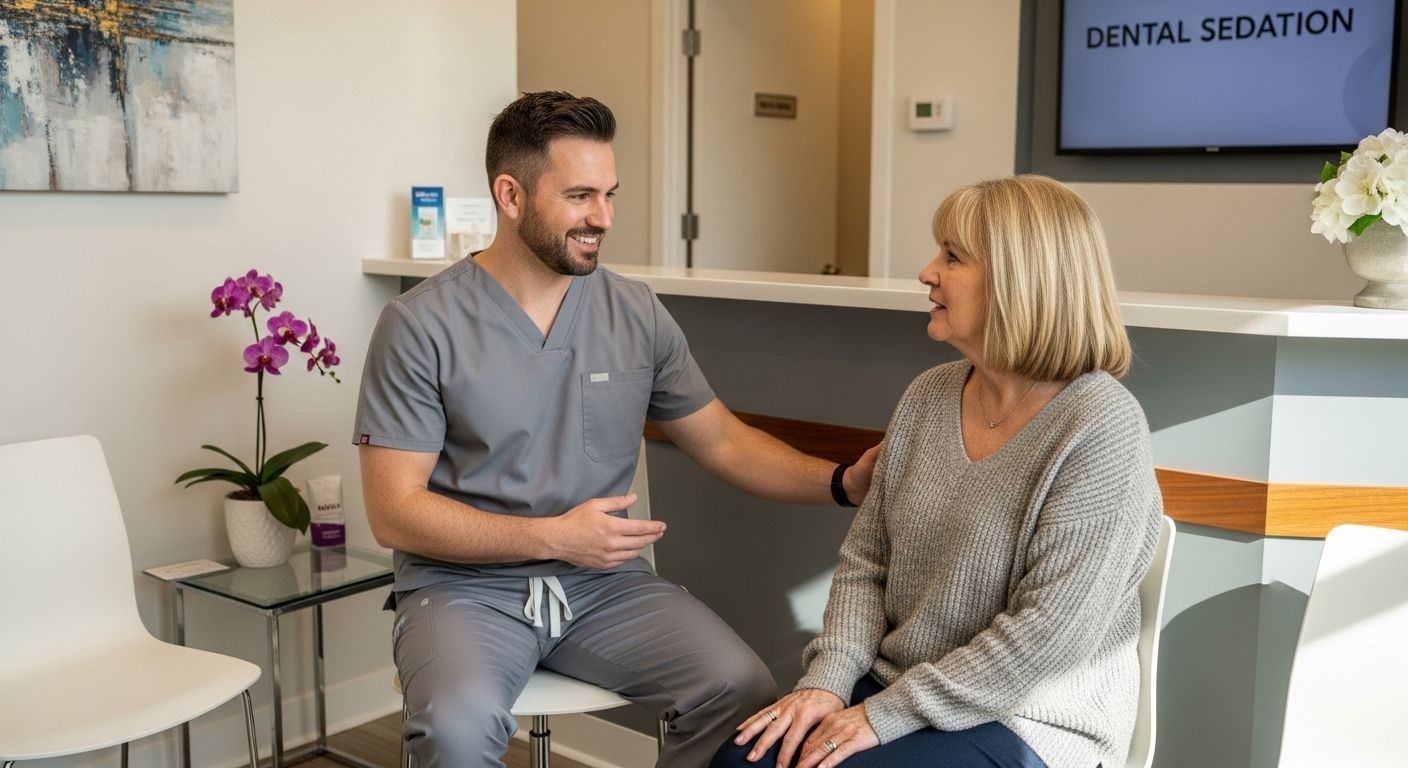
Dental visits can make even grown adults nervous and anxious. Studies show that sedation is recommended for patients with dental phobias or when treatments get complex. Most people think sedation just puts you to sleep and that’s all there is to it. Actually, dental sedation is much more than a quick fix for nerves. It is a carefully tailored medical process that can completely change how you experience the dentist’s chair.
Quick Summary
| Takeaway | Explanation |
|---|---|
| Dental implants restore missing teeth effectively | They provide a permanent and natural-looking solution compared to traditional options like dentures or bridges. |
| Timeline includes multiple healing stages | The dental implant process involves several phases, including initial assessment, surgery, and osseointegration, which takes months to complete. |
| Bone integration is crucial for success | Osseointegration allows the implant to fuse with the jawbone, providing a stable foundation, which is necessary for long-term functionality. |
| Patient health affects treatment duration | Factors like bone quality, overall health, and lifestyle choices can impact the healing time and overall success of dental implants. |
| Personalized treatment planning is essential | A thorough evaluation ensures that each patient receives a tailored approach, improving the likelihood of successful outcomes and satisfaction. |
What are Dental Implants and the Timeline Involved?
Dental implants represent a sophisticated permanent solution for replacing missing teeth, offering patients a natural looking and functioning alternative to traditional bridges or dentures. These surgical-grade titanium posts are precisely designed to replace tooth roots, providing a stable foundation for artificial teeth that look, feel, and function like natural teeth.
The Basic Structure of Dental Implants
A dental implant consists of three primary components that work together to recreate a complete tooth structure:
- Titanium Post: A biocompatible surgical-grade metal screw surgically placed directly into the jawbone, acting as an artificial tooth root
- Abutment: A connector piece that links the titanium post to the prosthetic tooth
- Prosthetic Crown: A custom-designed artificial tooth made to match the patient’s existing teeth in color, shape, and size
According to Mayo Clinic, the entire dental implant process can span several months, with multiple stages of treatment and healing. The timeline allows for proper integration of the implant with the patient’s natural bone structure.
The table below breaks down the three primary components of a dental implant and their specific roles in the restoration process.
| Component | Description | Function |
|---|---|---|
| Titanium Post | Biocompatible surgical-grade metal screw placed into the jawbone | Serves as artificial tooth root |
| Abutment | Connector piece attaching the post to the prosthetic crown | Links implant post to the prosthetic tooth |
| Prosthetic Crown | Custom-designed artificial tooth matching color, shape, and size of existing teeth | Restores appearance and function of lost tooth |
Understanding the Implant Process
The dental implant journey is not a single procedure but a carefully orchestrated series of treatments. Patients typically undergo a comprehensive evaluation to determine their candidacy, which includes examining bone density, overall oral health, and specific restoration needs. Some patients might require preliminary procedures like bone grafting to ensure adequate jawbone support for the implant.
The standard dental implant timeline generally involves:
- Initial consultation and comprehensive oral assessment
- Potential preparatory procedures (bone grafting, tooth extraction)
- Surgical implant placement
- Healing and osseointegration period
- Abutment attachment
- Final prosthetic crown placement
For those interested in learning more about maintaining their new dental implants, read our comprehensive guide on dental implant maintenance.
Why the Dental Implant Timeline Matters for Patients
The dental implant timeline is far more than a simple medical procedure schedule. It represents a critical journey of healing, restoration, and patient transformation that directly impacts long-term oral health outcomes and personal quality of life. Understanding this timeline helps patients set realistic expectations and actively participate in their dental restoration process.
Patient Health and Healing Considerations
Each stage of the dental implant timeline plays a crucial role in ensuring successful integration and functionality. The extended timeline is not a drawback but a strategic approach to allowing the human body to naturally adapt and heal. Bone integration, known medically as osseointegration, requires patience and precision. During this period, the titanium implant gradually fuses with the jawbone, creating a stable and permanent foundation for the artificial tooth.
Patients must recognize that rushing this process can compromise the entire dental implant’s success. The healing phases provide critical opportunities for:
- Monitoring bone density and implant stability
- Allowing natural tissue regeneration
- Preventing potential complications
- Ensuring long-term implant durability
Long-Term Outcomes and Patient Satisfaction
Research demonstrates the significant impact of the dental implant timeline on patient outcomes.

According to a comprehensive clinical study, 35% of implant failures occurred within the first year, underscoring the importance of each timeline stage. The meticulous process ensures not just immediate dental restoration but sustained oral health.
The timeline also allows for critical assessments and adjustments. Dental professionals can:
- Monitor healing progression
- Address potential complications early
- Customize treatment approaches
- Ensure optimal implant placement and integration
For patients curious about the long-term performance of their dental implants, learn more about implant lifespan and durability.
Key Phases in the Dental Implant Process Explained
The dental implant procedure is a meticulously planned and executed process that transforms patient oral health through precise surgical interventions and strategic healing phases. Unlike traditional tooth replacement methods, dental implants offer a comprehensive solution that mimics natural tooth structure and functionality.
Initial Assessment and Treatment Planning
Before any surgical intervention, patients undergo an extensive evaluation to determine their candidacy for dental implants. This critical phase involves comprehensive diagnostic procedures that assess the patient’s overall oral health, bone density, and specific restoration requirements. Advanced imaging technologies like 3D cone beam computed tomography (CBCT) enable dentists to create highly personalized treatment strategies.
Key considerations during the initial assessment include:
- Evaluating jawbone quality and quantity
- Assessing overall oral health and potential contraindications
- Reviewing medical history for potential healing complications
- Determining precise implant placement locations
Surgical Intervention and Healing Stages
According to Mayo Clinic, the dental implant procedure involves multiple sophisticated stages designed to ensure optimal integration and long-term success. The surgical phase involves precisely placing the titanium post into the jawbone, which then requires a healing period allowing osseointegration – the biological process where the implant fuses with surrounding bone tissue.
The healing stages typically involve:
- Surgical implant placement
- Initial wound healing
- Bone integration period
- Abutment attachment
- Final prosthetic restoration
Prosthetic Restoration and Follow-up
The final phase of dental implant treatment focuses on creating and attaching the custom prosthetic tooth or crown. This stage requires meticulous craftsmanship to ensure the artificial tooth matches the patient’s existing dentition in color, shape, and functionality. Ongoing monitoring and periodic follow-up appointments are crucial to assess implant performance and overall oral health.
Discover the comprehensive steps in our dental implant journey to gain deeper insights into this transformative dental procedure.
Factors Influencing the Dental Implant Timeline
The dental implant timeline is not a uniform experience but a highly personalized journey influenced by multiple complex physiological and lifestyle factors. Understanding these variables helps patients and dental professionals develop realistic expectations and optimize treatment strategies for successful outcomes.
This table summarizes key factors that influence the duration and success of the dental implant timeline, as described in the content.
| Factor Group | Influencing Elements | Impact on Timeline |
|---|---|---|
| Patient Health & Biological | Bone density, immune system, chronic conditions, age, hormones, metabolic health | Can extend or complicate treatment |
| Lifestyle & External Influences | Smoking, alcohol, nutrition, activity, stress, sleep, oral hygiene | May accelerate or delay healing |
| Procedural & Technical Considerations | Placement technique, number of implants, bone grafting, site anatomy, surgical precision | Alters complexity and recovery time |
Patient Health and Biological Considerations
Individual health status plays a critical role in determining the dental implant timeline. Systemic health conditions can significantly impact healing rates and implant integration. Patients with certain medical backgrounds may experience extended or modified treatment protocols to ensure optimal results.
Key health factors that influence implant timelines include:
- Bone density and quality
- Overall immune system functionality
- Presence of chronic medical conditions
- Age and natural healing capacity
- Hormonal balance
- Metabolic health
Lifestyle and External Influences
Lifestyle choices can dramatically accelerate or impede the dental implant healing process. Patients with certain habits may require modified treatment approaches or extended recovery periods. Smoking, for instance, can significantly compromise bone healing and implant integration, potentially extending the overall treatment timeline.
Critical lifestyle factors affecting implant success include:
- Tobacco and alcohol consumption
- Nutritional status
- Physical activity levels
- Stress management
- Sleep quality
- Oral hygiene practices
Procedural and Technical Considerations
According to a comprehensive research study, the Implant Quotient (IQ) framework identifies numerous technical factors that influence healing and integration times. The complexity of the surgical intervention, bone grafting requirements, and specific anatomical challenges can extend or compress the expected treatment timeline.
Technical elements impacting the implant process include:
- Implant placement technique
- Number of implants required
- Necessity for bone grafting
- Specific anatomical site characteristics
- Precision of surgical intervention
Learn more about the financial considerations of your dental implant journey to help you plan effectively.
Real-World Experiences: Dental Implants in Denver Metro
Denver metro patients seeking dental implants represent a diverse community with unique oral health needs and expectations. The local landscape of dental implant treatments reflects advanced technological capabilities, patient-centered approaches, and specialized care tailored to individual requirements.
Patient Expectations and Recovery Insights
Local patients often approach dental implant procedures with a mix of anticipation and careful consideration. Recovery expectations play a crucial role in patient preparation and overall treatment satisfaction. While individual experiences vary, most Denver metro patients report manageable recovery periods and transformative outcomes.
Key patient experience considerations include:
- Realistic timeline understanding
- Comprehensive pre-procedure consultations
- Personalized treatment planning
- Clear communication about potential challenges
- Comprehensive post-operative support
- Detailed healing expectations
Local Treatment Landscape and Technological Advances
The Denver metro area has emerged as a hub for advanced dental implant technologies and techniques. Local dental practices increasingly utilize cutting-edge diagnostic tools, precision surgical methods, and innovative restoration approaches. Specialized techniques like same-day implants and computer-guided surgical planning have revolutionized patient treatment experiences.
Notable technological and procedural advancements include:
- 3D imaging and treatment planning
- Minimally invasive surgical techniques
- Advanced bone grafting technologies
- Digital smile design capabilities
- Customized implant solutions
- Rapid healing protocols
Clinical Outcomes and Patient Satisfaction
According to a comprehensive five-year retrospective study, dental implant survival rates in metropolitan areas like Denver consistently demonstrate high success potential. Patient satisfaction extends beyond clinical outcomes, encompassing emotional and functional restoration of oral health.
Local patients consistently report improvements in:

- Confidence and self-image
- Functional eating capabilities
Explore why patients choose dental implants in the Denver metro area to understand the transformative potential of modern dental restoration techniques.
Take Control of Your Dental Implant Journey Today
Do you feel uncertain about how long a dental implant process might take, or if you are doing everything possible for lasting results? The article “Understanding the Dental Implant Timeline for Better Care” highlights how important it is to plan each stage carefully and avoid risking your health with rushed treatments. At Arvada Dental Center, we see how confusion about healing times, bone integration, and managing complications can leave patients worried. Your comfort and outcomes matter, and our advanced technology and evidence-based care guide you every step of the way.
.jpg)
Let us help you make sense of your dental implant timeline, so you get a solution built for your needs—not just a one-size-fits-all treatment. Start by exploring our expertise in dental implants, or learn about the full journey with dental implants. Take your first step toward confident smiles and long-term oral health. Visit https://arvadadentalcenter.com to schedule your personalized consultation now. Your future self will thank you for investing in quality care today.
Frequently Asked Questions
What is the dental implant timeline?
The dental implant timeline refers to the series of stages involved in the dental implant process, ranging from initial consultation to final prosthetic crown placement. The entire process can take several months, allowing for proper healing and integration of the implant with the jawbone.
How long does the healing process take after dental implant surgery?
The healing process after dental implant surgery, known as osseointegration, typically takes several months. This period is crucial for ensuring that the titanium post fuses securely with the jawbone, creating a stable foundation for the prosthetic tooth.
What factors can influence the dental implant timeline?
Several factors can influence the dental implant timeline, including individual health conditions, bone density, lifestyle habits (such as smoking), and any necessary preparatory procedures like bone grafting.
Why is osseointegration important in the dental implant process?
Osseointegration is essential because it involves the natural fusion of the titanium implant with the jawbone, ensuring the stability and durability of the implant. Rushing this process can lead to implant failure, so proper healing time is critical.
Recommended
- Understanding Dental Implants Maintenance: Essential Insights – Arvada Dental Center & Implants
- How Long Do Dental Implants Last? Discover Implant Lifespan
- Understanding Why Invest in Dental Implants – Arvada Dental Center & Implants
- Are Implant Dentures Worth It? Explore Key Benefits
More Posts
.jpg)
Understanding All on 4 Cost Factors for Dental Implants
.jpg)
7 Key Advantages of Dental Implants for Your Smile