.svg)


How to Maintain All on 4 Implants for Lasting Oral Health
September 10, 2025

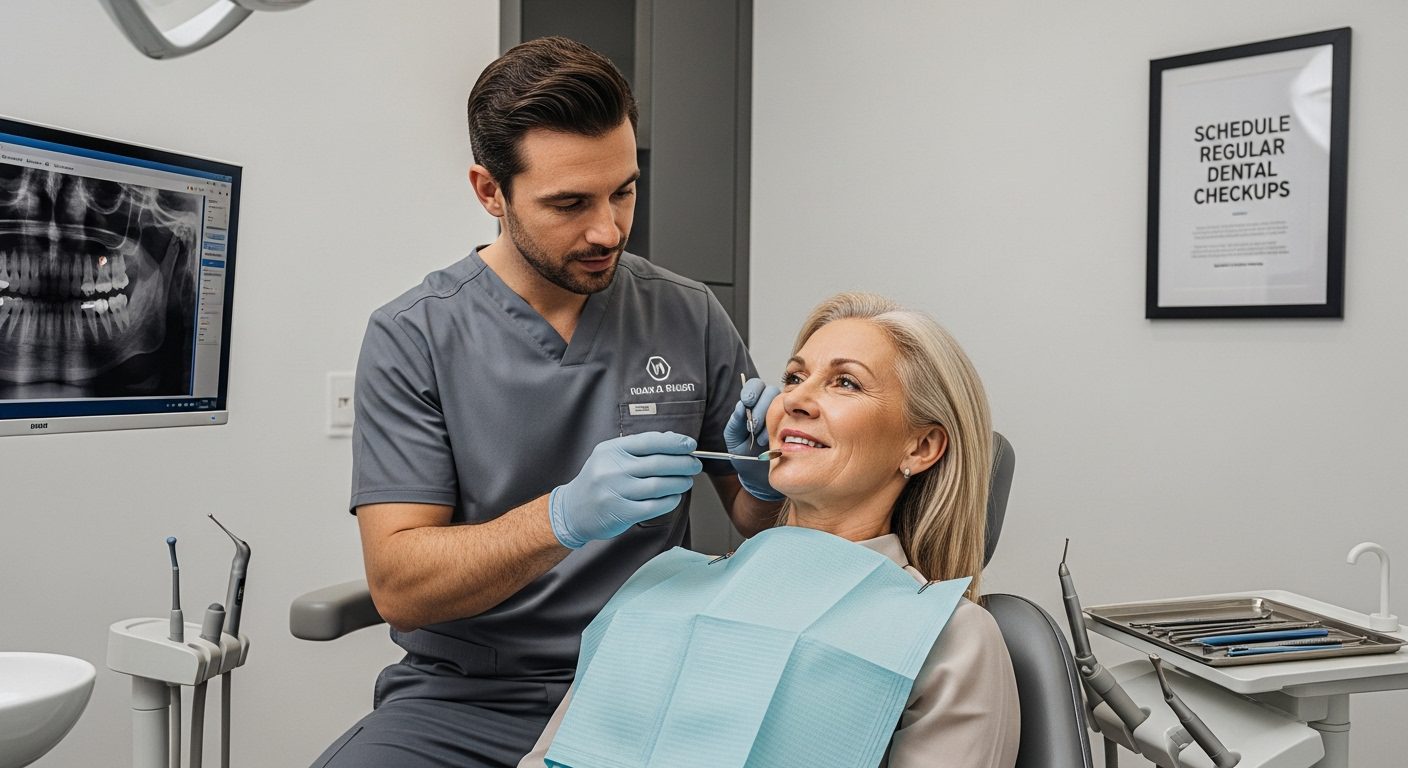
Caring for All on 4 dental implants goes way beyond brushing twice a day. Professional monitoring prevents potential complications and catches minor issues before they escalate into serious dental problems. Many people assume implants are worry-free after healing but the reality is your daily habits and small choices have a big impact on the longevity of your smile.
Quick Summary
| Key Point | Explanation |
|---|---|
| 1. Schedule regular dental checkups | Professional checkups every 3-6 months ensure implant stability and catch issues early. |
| 2. Maintain a daily oral hygiene routine | Use soft-bristled brushes, non-abrasive toothpaste, and specialized tools to effectively clean around implants. |
| 3. Use recommended dental products | Choose low-abrasive toothpaste and alcohol-free mouthwash to prevent damage and support implant health. |
| 4. Monitor for signs of discomfort | Report persistent pain, swelling, or changes in your bite to your dentist for immediate evaluation. |
| 5. Adjust diet for implant health | Focus on calcium and vitamin D-rich foods while avoiding hard or sticky items that may stress implants. |
Step 1: Schedule Regular Dental Checkups
Maintaining your All on 4 dental implants requires proactive and consistent professional care. Regular dental checkups serve as the foundation for ensuring the long term success and health of your investment. Professional monitoring prevents potential complications and catches minor issues before they escalate into more serious dental problems.
When scheduling your dental checkup, focus on comprehensive examinations specifically tailored for implant patients. During these appointments, your dental professional will conduct thorough assessments of your implant stability, surrounding gum tissue condition, and overall oral health. Learn more about our specialized implant maintenance approach to understand the intricate details of professional implant care.
Typically, patients with All on 4 implants should plan for professional checkups every three to six months. These appointments are not just routine cleanings but comprehensive evaluations that include detailed imaging, professional cleaning around implant sites, and expert assessment of implant integration. Your dentist will carefully examine the connection between your implants and bone structure, check for any signs of inflammation, and ensure that your prosthetic remains perfectly aligned.
Key aspects of an effective implant checkup include:
- Detailed visual and tactile examination of implant sites
- Digital X-rays to assess bone density and implant stability
- Professional cleaning of implant surfaces and surrounding tissues
- Assessment of bite alignment and prosthetic fit
Patients should also come prepared to discuss any changes or concerns they’ve experienced since their last visit. Even slight discomfort or changes in bite sensation could indicate potential issues that require immediate professional attention. By maintaining a consistent schedule of professional checkups, you significantly reduce the risk of complications and ensure the longevity of your dental implants.
According to clinical guidelines published in PubMed, systematic and continuous supportive care is crucial for maintaining the health of implant-supported restorations. This underscores the importance of not just scheduling checkups, but actively participating in your ongoing dental health management.
Step 2: Adopt a Daily Oral Hygiene Routine
Developing a meticulous daily oral hygiene routine is crucial for protecting your All on 4 dental implants and ensuring their long term success. Your home care strategy is equally important as professional dental visits in maintaining the health and stability of your implant restoration. Explore our comprehensive oral hygiene tips to understand the nuanced approach required for implant maintenance.
Your daily routine should focus on gentle yet thorough cleaning techniques specifically designed for dental implants. Unlike natural teeth, implants require specialized care to prevent potential complications. Start by selecting soft-bristled toothbrushes and non-abrasive toothpastes that will clean effectively without scratching the implant surface. Electric toothbrushes with soft brush heads can provide consistent and gentle cleaning action that reaches difficult areas around your implant restoration.
Flossing takes on heightened importance with All on 4 implants. Traditional string floss might not be sufficient, so consider using specialized interdental brushes, water flossers, or implant-specific cleaning tools. These tools help remove bacteria and food particles from areas around the implant that standard brushing might miss. Aim to clean between and around your implants at least twice daily, focusing on removing soft plaque without applying excessive pressure that could damage the implant or surrounding tissues.
The table below organizes important daily oral hygiene tools for All on 4 implant care, summarizing recommendations and their specific purposes.
| Tool/Product | Recommended Type | Purpose |
|---|---|---|
| Toothbrush | Soft-bristled or electric with soft head | Gentle yet effective cleaning around implants |
| Toothpaste | Non-abrasive, low-abrasion | Cleans without scratching implant surfaces |
| Interdental cleaning tool | Water flosser or interdental brushes | Removes plaque/food from hard-to-reach areas |
| Mouthwash | Alcohol-free antimicrobial | Reduces bacteria and supports gum health |
Essential daily oral hygiene tools for implant patients include:
- Soft-bristled toothbrush or electric toothbrush
- Non-abrasive, low-abrasion toothpaste
- Water flosser or specialized interdental brushes
- Alcohol-free antimicrobial mouthwash
According to clinical guidelines published in PubMed, individual self-care needs are critical in maintaining peri-implant health. This means your routine might need personalized adjustments based on your specific oral anatomy, implant placement, and overall health conditions. Do not hesitate to consult your dental professional for tailored advice on developing the most effective home care strategy for your unique dental implant situation.
Step 3: Use Recommended Dental Products
Selecting the right dental products is a critical component of maintaining your All on 4 dental implants. Not all oral care products are created equal, and using the wrong tools can potentially damage your expensive implant restoration. Learn about specialized dental care recommendations to understand the nuanced approach required for implant maintenance.
When choosing toothpaste, opt for non-abrasive formulations specifically designed for dental implants. Avoid whitening toothpastes that contain harsh chemicals or excessive abrasive agents, as these can scratch the implant surface and compromise its smooth finish. Look for toothpastes with low relative dentin abrasivity (RDA) ratings, typically below 70, which provide effective cleaning without causing microscopic damage to your implant prosthetics.
Mouthwash selection requires similar careful consideration. Alcohol-free, antibacterial mouthwashes are ideal for implant patients. These products help reduce bacterial growth without causing dry mouth or potential irritation to the sensitive tissues surrounding your implants. Seek out mouthwashes containing chlorhexidine in low concentrations, which can provide excellent antimicrobial protection without compromising the long-term health of your oral microbiome.
Essential dental product recommendations for implant patients include:
- Low-abrasive, implant-specific toothpaste
- Soft-bristled or electric toothbrushes with gentle brush heads
- Alcohol-free antimicrobial mouthwash
- Specialized interdental cleaning tools
According to clinical research published in dental journals, using soft manual toothbrushes, motorized toothbrushes with soft heads, and specialized end-tufted brushes can significantly improve plaque removal around dental implants. Your dental professional can provide personalized recommendations based on your specific implant configuration and oral health needs. Pay attention to how your implants respond to different products, and do not hesitate to consult your dentist if you notice any unusual sensitivity or changes in the feel of your implant restoration.
Step 4: Monitor for Signs of Discomfort or Problems
Vigilant monitoring of your All on 4 dental implants is crucial for catching potential complications early and preventing long-term damage. Early detection can mean the difference between a simple intervention and a complex repair. Learn more about identifying potential implant issues to stay proactive about your oral health.
Pay close attention to any subtle changes in how your implants feel or function. Persistent discomfort, even if mild, should never be ignored. Symptoms like slight movement in the prosthetic, unusual pressure when biting, or changes in how your restoration fits can indicate underlying issues that require immediate professional evaluation. Some patients mistakenly believe minor discomfort is normal, but with dental implants, any persistent sensation outside of initial healing should be professionally assessed.
Specific warning signs demand immediate attention from your dental professional. Redness, swelling, or bleeding around the implant sites are not typical and could signal potential infection or inflammation. Unexplained pain, particularly when chewing or applying pressure, might indicate problems with implant integration or potential bone loss. Additionally, observe any changes in your bite alignment, unexpected looseness in the prosthetic, or unusual sounds when speaking or eating.
**Critical warning signs requiring immediate professional evaluation include:

**
- Persistent pain or discomfort lasting more than a few days
- Visible swelling or redness around implant sites
- Bleeding that does not resolve with gentle cleaning
- Unusual movement or looseness of the implant restoration
- Changes in bite alignment or chewing sensation
According to research published in the International Journal of Oral & Maxillofacial Implants, certain factors like smoking and specific surgical techniques can increase the risk of implant complications. Understanding these risk factors empowers you to be more proactive in monitoring your implants. Maintain a journal documenting any changes or concerns, which can provide valuable information during your professional dental checkups.
Here is a quick troubleshooting table highlighting possible implant problems, their likely causes, and recommended actions, designed to help you react promptly if issues arise.
| Symptom/Problem | Possible Cause | Recommended Action |
|---|---|---|
| Persistent pain/discomfort | Infection, implant instability | Schedule immediate dental evaluation |
| Swelling or redness | Inflammation or infection | Contact dental professional |
| Bleeding that does not resolve | Gum irritation or infection | Gentle cleaning, consult dentist |
| Unusual movement/looseness | Prosthetic or implant complication | Urgent dental assessment |
| Change in bite alignment | Shift in implant position/prosthesis | Professional evaluation |
Remember, your keen observation combined with professional expertise is the best defense against potential implant complications.
Step 5: Adjust Diet to Support Implant Health
Your dietary choices play a significant role in maintaining the long-term success of your All on 4 dental implants. Nutrition directly impacts bone density, healing processes, and overall implant stability. Explore our comprehensive guide to optimal oral nutrition to understand how your diet can support your dental investment.
Initially, focus on soft and nutrient-dense foods during the initial healing phase after implant placement. Smooth proteins like Greek yogurt, scrambled eggs, and protein smoothies provide essential nutrients without putting excessive stress on your new dental restoration. As healing progresses, gradually introduce more varied textures, always being mindful of how different foods interact with your implants. Avoid extremely hard or sticky foods that could potentially compromise the implant’s integration or cause unexpected stress on the prosthetic.
Long-term dietary strategies should prioritize foods that support bone health and reduce inflammation. Calcium-rich foods like leafy greens, dairy products, and fortified plant-based alternatives help maintain bone density around your implants. Incorporate foods high in vitamin D, such as fatty fish, egg yolks, and fortified cereals, which enhance calcium absorption. Omega-3 rich foods like salmon, chia seeds, and walnuts can help reduce inflammation and support overall oral health. Consider limiting sugary and acidic foods that can contribute to bacterial growth and potential complications around implant sites.
Key nutritional recommendations for implant patients include:
- Consume calcium-rich foods for bone health
- Include vitamin D sources in your diet
- Eat protein-dense foods that support healing
- Limit sugar and acidic food intake
- Stay hydrated with water
According to research published in dental journals, dietary factors can significantly impact implant osseointegration. Avoid diets high in fat and fructose, which may negatively affect the implant’s ability to integrate with surrounding bone tissue. Regular consultation with your dental professional can help you develop a personalized nutrition plan that supports your specific implant configuration and overall oral health. Remember that consistent, mindful eating habits are just as crucial as your oral hygiene routine in maintaining the longevity of your All on 4 dental implants.

Protect Your All on 4 Smile for Years to Come
If you are dedicated to keeping your All on 4 implants healthy and strong, you already know how crucial regular care, daily hygiene, and early problem detection are. It can feel overwhelming when you have to balance exams, home maintenance, and the pressure of long-term investment. At Arvada Dental Center, we understand the worry and responsibility that comes with full arch restorations and implant care. That is why our expert team offers tailored solutions to keep your smile secure and your peace of mind intact.
.jpg)
Take the first step toward lasting implant health and confidence. Visit our main website to find resources, schedule a checkup, and explore our specialized implant maintenance approach. Do not wait until discomfort becomes a bigger problem. Choose a partner that supports you through every stage of your oral health journey. Book your appointment with Arvada Dental Center in Arvada and protect your investment today.
Frequently Asked Questions
How often should I schedule dental checkups for my All on 4 implants?
Patients with All on 4 implants should plan for professional dental checkups every three to six months. These appointments are essential for monitoring implant stability and assessing overall oral health.
What should I include in my daily oral hygiene routine for dental implants?
Your daily oral hygiene routine should include gentle brushing with a soft-bristled toothbrush, specialized interdental cleaning tools, and flossing with products designed for implants. Aim to clean between and around your implants at least twice daily.
What dental products are safe to use with All on 4 implants?
Use low-abrasive toothpaste specifically designed for dental implants, soft-bristled or electric toothbrushes, alcohol-free antimicrobial mouthwash, and specialized interdental cleaning tools to ensure the safety and longevity of your implants.
What signs should I look out for that may indicate problems with my implants?
Be vigilant for signs such as persistent pain, swelling or redness around implant sites, bleeding that does not stop with gentle cleaning, unusual movement of your prosthetic, or changes in your bite alignment. If you notice any of these symptoms, consult your dental professional immediately.
More Posts
.jpg)
Understanding All on 4 Cost Factors for Dental Implants
.jpg)
7 Key Advantages of Dental Implants for Your Smile